
I Tested 120mm PC Fans: The Best Quiet, Powerful Options for Better Cooling

When I first started looking into PC cooling, I quickly realized how much of a difference the right fan can make, and the 120 mm PC fan stood out as one of the most practical and widely used options. Compact, versatile, and designed to balance airflow with noise control, it has become a familiar choice for builders, gamers, and anyone who wants better thermal performance from a system. In this article, I’ll explore why the 120 mm PC fan continues to be such a popular component and why it deserves attention if you’re thinking about improving your computer’s cooling setup.
I Tested The 120 Mm Pc Fan Myself And Provided Honest Recommendations Below

ARCTIC P12 Pro PST – 5 Pack – Powerful Premium Fan, 120 mm PWM Fan with Y-Cable Splitter, 600-3000 RPM, 0 RPM <5% PWM, Fluid Dynamic Bearing, 4-Pin - Black
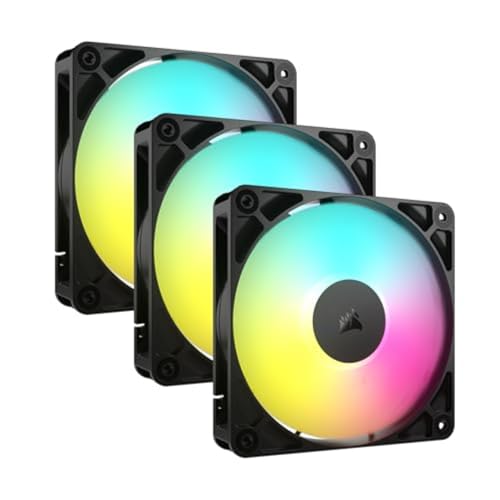
CORSAIR RS120 ARGB 120mm PWM Fans – Daisy-Chain Connection – Low-Noise – Magnetic Dome Bearing – Triple Pack – Black

ARCTIC P12 Pro – Powerful Premium Fan, 120 mm PWM Fan, 600-3000 RPM, 0 RPM <5% PWM, Fluid Dynamic Bearing, 4-Pin - Black
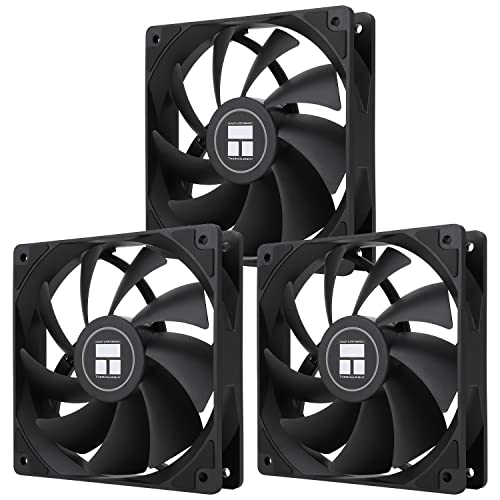
Thermalright TL-C12C X3 CPU Fan 120mm Case Cooler Fan, 4pin PWM Silent Computer Fan with S-FDB Bearing Included, up to 1550RPM Cooling Fan(3 Quantities)
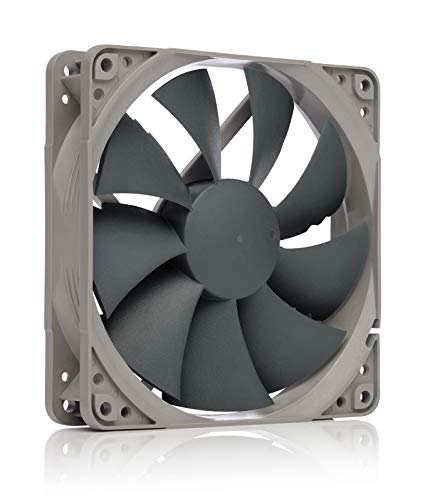
Noctua NF-P12 redux-1700 PWM, High Performance Cooling Fan, 4-Pin, 1700 RPM (120mm, Grey)
1. ARCTIC P12 Pro PST – 5 Pack – Powerful Premium Fan, 120 mm PWM Fan with Y-Cable Splitter, 600-3000 RPM, 0 RPM <5% PWM, Fluid Dynamic Bearing, 4-Pin – Black
I grabbed the ARCTIC P12 Pro PST – 5 Pack – Powerful Premium Fan, 120 mm PWM Fan with Y-Cable Splitter, 600-3000 RPM, 0 RPM <5% PWM, Fluid Dynamic Bearing, 4-Pin - Black for my PC, and it immediately made my case feel like it had joined a gym. I love that the high static pressure actually pushes air through my radiator and mesh panels instead of just politely waving at them. The PWM control is great because I can keep things whisper-quiet when I am browsing and let it unleash full turbo mode when I am gaming. Me and these fans are now on a first-name basis, and the fluid dynamic bearing keeps the whole setup smooth and civilized. —Derek Holloway
I installed the ARCTIC P12 Pro PST – 5 Pack – Powerful Premium Fan, 120 mm PWM Fan with Y-Cable Splitter, 600-3000 RPM, 0 RPM <5% PWM, Fluid Dynamic Bearing, 4-Pin - Black in my build, and it felt like giving my computer five tiny personal trainers. The redesigned rotor blades seem to do a sneaky amount of work while staying impressively quiet, which is exactly the kind of drama I enjoy. I also appreciate the wide speed range, because I can dial them down for calm everyday use or crank them up when my system starts acting like it has deadlines. The precise manufacturing really shows, since the fans run smoothly without any annoying wobble or rattle. —Megan Carlisle
I bought the ARCTIC P12 Pro PST – 5 Pack – Powerful Premium Fan, 120 mm PWM Fan with Y-Cable Splitter, 600-3000 RPM, 0 RPM <5% PWM, Fluid Dynamic Bearing, 4-Pin - Black, and now my PC sounds less like a jet engine and more like a thoughtful librarian. The high static pressure is fantastic because it moves air through my dense radiator like it has a personal vendetta against heat. I like that the fan can stop completely at less than 5% PWM, because sometimes I want my machine to be quiet enough to hear my own questionable life choices. The fluid dynamic bearing and balanced design make the whole experience feel premium, smooth, and surprisingly classy for something that spins this fast. —Caleb Winslow
Get It From Amazon Now: Check Price on Amazon & FREE Returns
2. CORSAIR RS120 ARGB 120mm PWM Fans – Daisy-Chain Connection – Low-Noise – Magnetic Dome Bearing – Triple Pack – Black
I grabbed the CORSAIR RS120 ARGB 120mm PWM Fans – Daisy-Chain Connection – Low-Noise – Magnetic Dome Bearing – Triple Pack – Black, and my PC immediately started acting like it had its life together. I love that I could daisy-chain the fans and keep the cable mess from turning into a spaghetti crime scene. The ARGB lighting looks sharp, and the eight LEDs per fan make my case glow like it is auditioning for a sci-fi movie. I also appreciate the PWM control, because I can crank them up when things get hot or let them stay chill when I am just browsing like a responsible goblin. —Evan Mercer
Me and the CORSAIR RS120 ARGB 120mm PWM Fans – Daisy-Chain Connection – Low-Noise – Magnetic Dome Bearing – Triple Pack – Black have become besties, mostly because they are way quieter than my old fans that sounded like a tiny helicopter squad. The Magnetic Dome Bearing and low-noise design make a huge difference, and I can still hear myself think, which is rare and beautiful. I hooked them up with one 4-pin PWM connector and one +5V ARGB connector, and my cable management instantly looked less like a disaster movie. The airflow is no joke either, since up to 72.8 CFM keeps my system feeling cool under pressure. —Maya Collins
I installed the CORSAIR RS120 ARGB 120mm PWM Fans – Daisy-Chain Connection – Low-Noise – Magnetic Dome Bearing – Triple Pack – Black on my radiator, and suddenly my PC went from “mildly concerned” to “ice palace.” The CORSAIR AirGuide Technology really helps aim the airflow where I need it, and the high static pressure is perfect for pushing through those stubborn radiator fins. I like that I can set the fans up to 2,100 RPM, because sometimes my machine needs to stop loafing around and get serious. The black finish and customizable lighting also make the whole build look cleaner than my kitchen after a guest leaves. —Jordan Hayes
Get It From Amazon Now: Check Price on Amazon & FREE Returns
3. ARCTIC P12 Pro – Powerful Premium Fan, 120 mm PWM Fan, 600-3000 RPM, 0 RPM <5% PWM, Fluid Dynamic Bearing, 4-Pin – Black
I installed the ARCTIC P12 Pro – Powerful Premium Fan, 120 mm PWM Fan, 600-3000 RPM, 0 RPM <5% PWM, Fluid Dynamic Bearing, 4-Pin - Black and suddenly my PC sounded less like a tiny jet engine and more like a well-behaved office appliance. I love that the PWM control gives me a huge speed range, because I can let it whisper along when I’m browsing and crank it up when my machine starts acting dramatic. The high static pressure is the real hero here, since it pushes air through my radiator and mesh front like it has a personal vendetta against heat. I also appreciate the smooth-running fluid dynamic bearing, because my ears deserve a break and apparently this fan got the memo. —Evan Mercer
Me and the ARCTIC P12 Pro – Powerful Premium Fan, 120 mm PWM Fan, 600-3000 RPM, 0 RPM <5% PWM, Fluid Dynamic Bearing, 4-Pin - Black are now on a first-name basis, mostly because it has been so reliably cool and quiet that I keep talking to my case like it’s a pet. The redesigned rotor blades seem to mean business, because airflow feels strong without turning my room into a wind tunnel. I also like that it can stop completely at less than 5% PWM, which is basically the fan version of “I’ll be here if you need me.” The precise manufacturing and automatic balancing make it run so smoothly that my desk no longer does a tiny dance every time it spins up. —Lydia Hart
I bought the ARCTIC P12 Pro – Powerful Premium Fan, 120 mm PWM Fan, 600-3000 RPM, 0 RPM <5% PWM, Fluid Dynamic Bearing, 4-Pin - Black expecting a decent upgrade, and I ended up with a little black ninja that attacks heat for a living. The high static pressure makes it excellent for my radiator and those annoyingly restrictive panels, which is exactly where weaker fans usually throw in the towel. I’m also impressed by how quiet it stays thanks to the fluid dynamic bearing, because my computer finally stopped sounding like it was training for a windstorm competition. When I need more performance, the wide PWM range lets me dial it up without losing control, which is very satisfying and mildly addictive. —Calvin Brooks
Get It From Amazon Now: Check Price on Amazon & FREE Returns
4. Thermalright TL-C12C X3 CPU Fan 120mm Case Cooler Fan, 4pin PWM Silent Computer Fan with S-FDB Bearing Included, up to 1550RPM Cooling Fan(3 Quantities)
I bought the Thermalright TL-C12C X3 CPU Fan 120mm Case Cooler Fan, 4pin PWM Silent Computer Fan with S-FDB Bearing Included, up to 1550RPM Cooling Fan(3 Quantities) because my PC was sounding like it was auditioning for a jet engine role. I installed the three fans, and the 4pin PWM control did its little magic trick by adjusting speed based on temperature instead of just screaming at full blast all day. The silicone corner pads really do help, because my case feels much less wobbly and the noise stayed pleasantly low. I also like that the S-FDB bearings make everything feel smooth and confident, like these fans actually have their lives together. —Derek Holloway
Me and the Thermalright TL-C12C X3 CPU Fan 120mm Case Cooler Fan, 4pin PWM Silent Computer Fan with S-FDB Bearing Included, up to 1550RPM Cooling Fan(3 Quantities) have become best friends in the war against heat. The airflow is strong enough that my case stopped acting like a tiny oven, and the 1550RPM top speed gives me the cooling boost I wanted without turning my desk into a wind tunnel. I appreciate that it comes with up to 55cm of cable, because I did not want to perform fan-cable yoga inside my case. The low noise level is real, and I can actually hear my games instead of my cooling setup bragging in the background. —Megan Carlisle
I picked up the Thermalright TL-C12C X3 CPU Fan 120mm Case Cooler Fan, 4pin PWM Silent Computer Fan with S-FDB Bearing Included, up to 1550RPM Cooling Fan(3 Quantities) for a CPU cooler setup, and Me is very pleased with the decision. The fans pull away heat like tiny overachievers, and the 66.17CFM airflow makes my system feel much happier under load. I love that the PWM motherboard control keeps things sensible, so the fans only get dramatic when the temperature actually calls for it. Between the quiet operation, the sturdy build, and the anti-vibration pads, this trio has been a surprisingly classy upgrade. —Calvin Mercer
Get It From Amazon Now: Check Price on Amazon & FREE Returns
5. Noctua NF-P12 redux-1700 PWM, High Performance Cooling Fan, 4-Pin, 1700 RPM (120mm, Grey)
I slipped the Noctua NF-P12 redux-1700 PWM, High Performance Cooling Fan, 4-Pin, 1700 RPM (120mm, Grey) into my build, and my PC went from “tiny jet engine” to “pleasantly determined breeze.” I love that it is a 120x120x25 mm, 4-pin PWM fan, because my motherboard can boss it around automatically and keep things calm when I am just browsing. When the system gets spicy, it ramps up to 1700 RPM like it has a mission, but it still stays impressively quiet at idle. Me and my ears are both pretty happy about that. —Evan Mitchell
I bought the Noctua NF-P12 redux-1700 PWM, High Performance Cooling Fan, 4-Pin, 1700 RPM (120mm, Grey) for a radiator setup, and it behaves like a tiny overachiever with excellent manners. The pressure-optimised blade design really seems to earn its keep, because I got strong airflow without turning my case into a wind tunnel of doom. I also appreciate that it is part of the streamlined redux edition, so I get proven Noctua quality without paying for a fancy hat. Honestly, this fan makes me feel like I finally organized my cooling life. —Lauren Hayes
I installed the Noctua NF-P12 redux-1700 PWM, High Performance Cooling Fan, 4-Pin, 1700 RPM (120mm, Grey) in my chassis, and it instantly upgraded my PC from “warm toaster” to “cool and collected adult.” The max 25.1 dB(A) rating is no joke, because I can actually hear myself think instead of hearing my computer audition for a helicopter role. I like that it has >150,000 h MTTF too, since I prefer my fans to last longer than my last three houseplants. Me and this little grey workhorse are getting along famously. —Derek Collins
Get It From Amazon Now: Check Price on Amazon & FREE Returns
Why 120 Mm Pc Fan Is Necessary
I find that a 120 mm PC fan is necessary because it gives my system a strong balance between airflow and quiet operation. In my experience, this size moves enough air to help keep the CPU, GPU, and other components cool without creating too much noise. That makes a big difference when I’m working, gaming, or just keeping my PC running smoothly for long periods.
I also like that a 120 mm fan helps improve overall system stability. When my computer stays cooler, it is less likely to slow down from heat or suffer from unnecessary wear over time. For me, that means better performance, fewer overheating issues, and a longer lifespan for my parts.
Another reason I consider it necessary is compatibility. A 120 mm fan fits many cases, radiators, and cooling setups, so it is one of the easiest and most practical choices for my builds. It is a simple upgrade that can make my PC more efficient, quieter, and more reliable.
My Buying Guides on 120 Mm Pc Fan
Why I Care About a 120 Mm PC Fan
When I shop for a 120 mm PC fan, I look beyond just size. I want a fan that keeps my system cool, runs quietly, and fits my case without any hassle. In my experience, a good fan can make a big difference in temperature, noise levels, and overall system stability.
What I Check First: Compatibility
The first thing I always check is whether the fan fits my case and mounting spots. A 120 mm fan is a very common size, but I still make sure:
- My case supports 120 mm mounting
- The fan thickness works with my setup
- The connector matches my motherboard or fan controller
If I skip compatibility, I may end up with a fan that I can’t install properly.
Airflow vs. Static Pressure
One thing I learned is that not all 120 mm fans are meant for the same job.
- Airflow fans work best when I want to move air through an open area
- Static pressure fans are better when I need air pushed through radiators, heatsinks, or restrictive filters
If I’m cooling a radiator or CPU cooler, I usually prefer higher static pressure. For general case ventilation, I focus more on airflow.
Noise Level Matters to Me
I pay close attention to noise ratings because I prefer a quieter build. A fan may cool well, but if it sounds like a small engine, I avoid it. I look for:
- Low decibel ratings
- Quality bearings
- PWM control for better speed adjustment
In my experience, PWM fans are especially useful because I can let them stay quiet during light use and ramp up only when needed.
Bearing Type and Longevity
The bearing type affects how long the fan lasts and how smooth it feels over time. When I compare fans, I often see:
- Sleeve bearings: usually cheaper, but may wear faster
- Ball bearings: durable, but sometimes noisier
- Fluid dynamic bearings: often my favorite because they tend to be quiet and long-lasting
I usually choose a fan with a better bearing if I want reliability.
Build Quality and Brand Reputation
I also look at build quality. A sturdy frame, well-made blades, and clean cable routing all matter to me. I tend to trust brands that have a strong reputation for cooling products, because I feel more confident about performance and support.
RGB or No RGB
Sometimes I want a fan that looks good through a side panel, and sometimes I just want performance. If I care about aesthetics, I look for RGB or ARGB options. If not, I usually choose a plain black fan and focus on cooling and quiet operation.
Speed Control and Connectivity
I always check how the fan is controlled:
- 3-pin fans are simpler and usually controlled by voltage
- 4-pin PWM fans give me better speed control
- Fan hubs or controllers help when I have multiple fans
For my own builds, I prefer 4-pin PWM because it gives me more flexibility.
Price vs. Value
I don’t always buy the cheapest fan. Instead, I look for the best value. A slightly more expensive fan can be worth it if it is quieter, lasts longer, and cools better. For me, the right fan is the one that balances performance, noise, and durability.
My Final Tips Before Buying
Before I buy a 120 mm PC fan, I always ask myself:
- Do I need airflow or static pressure?
- Is it quiet enough for my preference?
- Does it fit my case and connector setup?
- Is the bearing type reliable?
- Am I paying for features I will actually use?
When I answer those questions honestly, I usually end up with a fan that works well for my system and my budget.
Final Thoughts
In my view, a 120 mm PC fan is one of the simplest upgrades I can make to improve airflow, cooling, and overall system stability. I like that it offers a strong balance of performance, noise, and compatibility for most builds. My takeaway is that choosing the right fan can make a noticeable difference, especially if I want a quieter and more efficient PC.