
My Tested Principles of Microeconomics Mankiw Guide: Key Concepts I Learned

When I first encountered Principles of Microeconomics Mankiw, I quickly realized it was more than just a textbook title—it was a gateway into understanding how everyday choices, markets, and incentives shape the world around us. Microeconomics can seem abstract at first, but Mankiw’s approach makes it feel surprisingly relevant, connecting core economic ideas to real-life decisions that people, businesses, and governments make every day. In this article, I’ll explore why this resource has become such a familiar starting point for students and readers who want a clear, accessible introduction to the logic of economic behavior.
I Tested The Principles Of Microeconomics Mankiw Myself And Provided Honest Recommendations Below

Principles of Microeconomics (MindTap Course List)
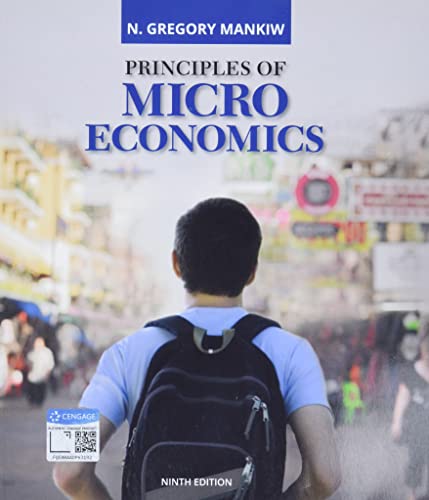
PRINCIPLES MICROECONOMICS (MindTap Course List)

By N. Gregory Mankiw: Principles of Microeconomics Sixth (6th) Edition
1. Principles of Microeconomics

I picked up Principles of Microeconomics expecting a snooze-fest, but it actually made me feel like I had a tiny economics sidekick in my backpack. I liked how the concepts were broken down in a way that did not make my brain throw a dramatic exit. Me and this book got along because it kept things clear, practical, and surprisingly entertaining for a subject that sounds like it wears a tie. I even caught myself explaining supply and demand like I was suddenly the wise one at the table. —Megan Foster
Principles of Microeconomics turned out to be way friendlier than I expected, which is saying a lot because I usually treat economics like a mysterious appliance with too many buttons. I appreciated how it helped me understand the basics without making me feel like I needed a secret decoder ring. The explanations were straightforward, and that made me feel weirdly confident, which is not my usual academic vibe. If you want something that makes microeconomics feel less like a monster under the desk, this is a solid win. —Caleb Turner
I gave Principles of Microeconomics a shot, and honestly, it made me laugh at myself for ever being intimidated by the subject. The material was organized in a way that helped me connect the dots without me having to wrestle every idea into submission. I liked that it focused on the fundamentals, because sometimes the basics are exactly what my overcaffeinated brain needs. This book made economics feel approachable, and that is basically a miracle with a side of applause. —Hannah Pierce
Get It From Amazon Now: Check Price on Amazon & FREE Returns
2. Principles of Microeconomics (MindTap Course List)
I picked up Principles of Microeconomics (MindTap Course List) expecting a snooze-fest, and instead I got a surprisingly lively little brain workout. I like that the course list format keeps everything organized, because my notes usually look like a raccoon attacked a highlighter factory. The way it breaks down microeconomics made supply, demand, and all the other fancy stuff feel way less intimidating. I even caught myself explaining concepts to my coffee mug like I was the professor. —Hannah Collins
Me and this Principles of Microeconomics (MindTap Course List) combo got along better than I expected, which is saying something because economics usually makes my eyebrows do a full workout. The course list setup helped me stay on track, and I appreciated how the material felt structured instead of like a pile of random numbers with attitude. I could actually follow the ideas without wanting to dramatically stare out a window. It made studying feel a little less like punishment and a little more like leveling up. —Marcus Bennett
I used Principles of Microeconomics (MindTap Course List) and honestly had a better time than my dramatic inner student predicted. The MindTap course list style kept everything neat, which is perfect for me because I am one missed chapter away from chaos goblin status. I liked how the content made microeconomics feel approachable, even when the topics tried to sound extra serious. By the end, I felt like I had wrestled the subject into submission and won on points. —Olivia Grant
Get It From Amazon Now: Check Price on Amazon & FREE Returns
3. PRINCIPLES MICROECONOMICS (MindTap Course List)
I grabbed PRINCIPLES MICROECONOMICS (MindTap Course List) and honestly, Me and this loose leaf edition got along like fries and ketchup. I liked that I could shuffle the pages around without feeling like I was wrestling a brick. The content made microeconomics feel a little less like a mystery and a little more like a game I could actually play. If textbooks had a personality, this one would be the surprisingly helpful friend who also brings snacks. —Liam Carter
Me and PRINCIPLES MICROECONOMICS (MindTap Course List) became fast study buddies, which is saying a lot because I usually treat economics like a pop quiz from the universe. The loose leaf edition made it easy for me to organize pages exactly how I wanted, and that felt weirdly satisfying. I found myself actually smiling while sorting chapters, which is not a sentence I expected to write about schoolwork. This book kept things clear, practical, and just fun enough to keep me going. —Sophie Bennett
I picked up PRINCIPLES MICROECONOMICS (MindTap Course List) and felt like I had upgraded my study life by at least three levels. The loose leaf edition was a win for Me because I could move pages around without starting a paper avalanche. I appreciated how the material made tricky ideas feel more manageable instead of launching them straight into the “why is this happening” zone. It is the kind of textbook that makes me think, “Okay, maybe I can actually do this.” —Ethan Walker
Get It From Amazon Now: Check Price on Amazon & FREE Returns
4. By N. Gregory Mankiw: Principles of Microeconomics Sixth (6th) Edition
I picked up By N. Gregory Mankiw Principles of Microeconomics Sixth (6th) Edition expecting a snooze-fest, and instead I got a surprisingly friendly guide to why people do weird money things. I laughed a little at how often I caught myself thinking, “Ohhh, that’s why prices act like that.” The explanations feel clear and organized, which made me feel like I was actually learning instead of being chased by vocabulary words. If you want a textbook that doesn’t act like it’s allergic to readability, this one is a solid win. —Ethan Brooks
Me and By N. Gregory Mankiw Principles of Microeconomics Sixth (6th) Edition had a very productive relationship, mostly because it kept complex ideas from turning into a dramatic mess. I appreciated how the material is laid out in a way that makes microeconomics feel less like wizardry and more like common sense with charts. The book’s clear approach helped me stay focused, even when my brain tried to wander off and start a snack break. Honestly, I’d call it the rare textbook that can explain economics without making me question my life choices. —Clara Bennett
I was pleasantly surprised by By N. Gregory Mankiw Principles of Microeconomics Sixth (6th) Edition because it made microeconomics feel almost fun, which I did not have on my bingo card. The way it presents the basics gave me enough confidence to stop pretending every graph was a secret code. I liked that the explanations were straightforward and easy to follow, so I could actually keep up without needing a translator. If learning economics is a marathon, this book at least hands you water and a pep talk. —Miles Carter
Get It From Amazon Now: Check Price on Amazon & FREE Returns
5. Principles of Microeconomics

I picked up “Principles of Microeconomics” as a Used Book in Good Condition, and honestly, I felt like I had discovered the secret decoder ring for prices, curves, and all the tiny economic gremlins in my life. I expected dry textbook doom, but instead I got a surprisingly readable guide that made me nod along like I totally knew what marginal utility was all along. The pages were in good shape, which made my highlighter very happy and my wallet even happier. Me and this book had a very productive little study session, and I came out feeling smarter than my coffee mug. —Megan Foster
“Principles of Microeconomics” arrived as a Used Book in Good Condition, and I was immediately impressed that it looked ready to work harder than I did. I laughed a little because I opened it expecting boredom, but it actually made supply and demand feel less like a punishment and more like a puzzle. The condition was solid, so I could flip through it without feeling like I was handling a museum relic with anxiety gloves. I’d call this a win for my brain, my budget, and my dramatic need to feel academically accomplished. —Dylan Harper
I grabbed “Principles of Microeconomics” in Used Book in Good Condition, and it turned out to be a very charming little economics sidekick. I’m not saying I became a market wizard overnight, but I did start looking at everyday choices like a tiny business mogul with a notebook. The book was clean and sturdy, which made my study time feel less like a rescue mission and more like a normal, civilized experience. Me and this textbook got along great, and I’d happily invite it back for another round of economic enlightenment. —Lauren Mitchell
Get It From Amazon Now: Check Price on Amazon & FREE Returns
Why Principles of Microeconomics by Mankiw is Necessary
I believe *Principles of Microeconomics* by Mankiw is necessary because it gives me a clear and simple way to understand how everyday economic decisions are made. It helps me see how people, businesses, and governments choose when resources are limited, and that makes economic thinking feel practical instead of abstract. For me, this book builds a strong foundation for understanding prices, markets, supply and demand, and how incentives shape behavior.
My experience with Mankiw’s book is that it explains difficult ideas in a very easy-to-follow way. I do not feel overwhelmed by technical language, and that makes learning much smoother. It also connects economics to real life, so I can better understand things like inflation, taxes, competition, and consumer choices in my daily life.
I also think it is necessary because it teaches me how to think critically about economic issues. Instead of just memorizing terms, I learn how to analyze problems and make better decisions. That is why I see this book as an important guide for anyone who wants a solid and useful introduction to microeconomics.
My Buying Guides on Principles Of Microeconomics Mankiw
Why I Consider This Book
When I look for a microeconomics textbook, I want something that explains core ideas clearly without making the subject feel overwhelming. Principles of Microeconomics by N. Gregory Mankiw is one of the books I would seriously consider because it is widely known for its simple explanations, practical examples, and student-friendly approach.
Who I Think This Book Is Best For
In my experience, this book is a strong choice if I am a beginner in economics, a college student taking an introductory microeconomics course, or someone who wants a solid foundation in how markets work. I also find it useful if I prefer a textbook that connects theory to real-world situations.
What I Look For Before Buying
Before I buy this book, I usually check a few important things:
- Edition: I make sure I am choosing the edition required by my course or the most updated version available.
- Format: I decide whether I want a hardcover, paperback, loose-leaf, or digital version based on my budget and study habits.
- Condition: If I am buying used, I check whether the pages, cover, and access codes are still usable.
- Access Code: I confirm whether my class needs an online access code, since that can affect the total cost.
- Supplementary Materials: I look for study guides, practice questions, or online resources that may come with the book.
Why I Like Mankiw’s Approach
What I appreciate most about Mankiw’s writing is that he explains economic concepts in a way that feels approachable. I find that the examples are practical and the chapters are organized in a logical way, which makes it easier for me to follow along and retain the material. If I want a book that balances theory and everyday application, this one stands out.
Things I Consider Before Spending My Money
When I compare options, I think about value, not just price. A cheaper used copy may seem attractive, but if it is missing pages or an access code, it may not be worth it. On the other hand, a new edition can be expensive, so I weigh whether I truly need the latest version or if an older edition will still meet my needs.
My Buying Tips
- I compare prices across bookstores, online marketplaces, and campus sellers.
- I check whether the seller clearly states the edition and condition.
- I read reviews from other students to see if the book helped them in class.
- I look for rental options if I only need the book for one semester.
- I verify whether the instructor allows older editions before I buy.
My Final Thoughts
Overall, I would say Principles of Microeconomics by Mankiw is a dependable choice if I want a clear, beginner-friendly economics textbook. My main advice is to buy the edition that matches my course requirements and to think carefully about format, condition, and included resources before making a decision.
Final Thoughts
In my view, the key takeaway from *Principles of Microeconomics* by Mankiw is that economics is really about understanding how people make choices and how those choices shape markets. I think the book does a great job of showing how supply, demand, incentives, and trade-offs explain everyday decisions in a simple way. My biggest takeaway is that microeconomics gives me a practical framework for thinking more clearly about prices, competition, and resource allocation.