
I Tested the Best Acid Fertilizer for Blueberries: My Top Picks for Bigger, Sweeter Harvests

If there’s one thing I’ve learned about growing blueberries, it’s that healthy plants start with the right soil conditions. Blueberries are a little particular, and when the balance is off, they don’t hesitate to show it in their growth and fruit production. That’s why I’ve come to appreciate the role of acid fertilizer for blueberries—it helps create the kind of environment these plants naturally thrive in, supporting stronger growth, better nutrient uptake, and the promise of a more rewarding harvest.
I Tested The Acid Fertilizer For Blueberries Myself And Provided Honest Recommendations Below

Down To Earth All Natural Fertilizers Organic Acid Mix – Plant Food for Blueberries, Raspberries, Azaleas and Rhododendrons 4-3-6, 5 lb

GARDENWISE 8-4-8 Acidic Fertilizer for Azaleas, Camellias (Camelia), Hydrangeas, Blueberries, Gardenias, Magnolia Trees, Evergreens, and Rhododendrons – Ideal Iron-Rich Plant Food (12 OZ)

Espoma Organic Berry-Tone 4-3-4 Natural & Organic Fertilizer and Plant Food for All Berries. 4 lb. Bag. Use for Planting & Feeding to Promote Bountiful Harvest – Pack of 2
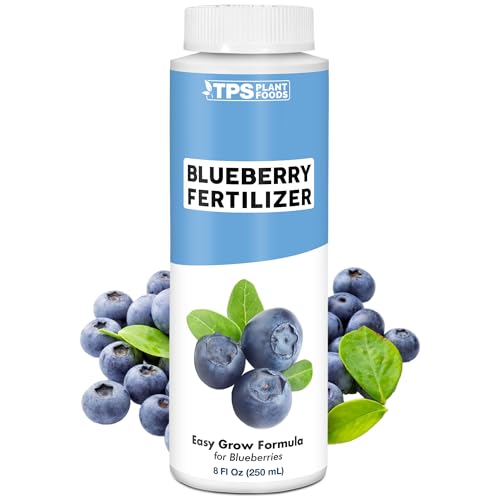
Blueberry Fertilizer – Liquid Plant Food for Bigger Berries, Better Fruit Production & Stronger Root Development, 8 oz
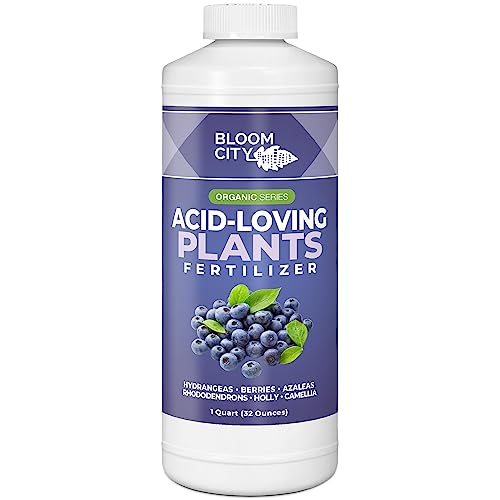
Bloom City Acid-Loving Plant Fertilizer – Liquid Soil Acidifier & Nutrient Formula for Blueberries, Hydrangeas & Other Acid-Loving Plants, 32 oz
1. Down To Earth All Natural Fertilizers Organic Acid Mix – Plant Food for Blueberries, Raspberries, Azaleas and Rhododendrons 4-3-6, 5 lb
I grabbed the Down To Earth All Natural Fertilizers Organic Acid Mix – Plant Food for Blueberries, Raspberries, Azaleas and Rhododendrons 4-3-6, 5 lb, and my acid-loving plants acted like I’d hired them a tiny personal chef. I used it on my blueberries and azaleas, and the slow-release formula made me feel like I was feeding them a fancy, long-lasting buffet instead of a one-night snack. I also love that it’s made from all-natural, organically sourced ingredients, so I can garden without feeling like I’m sprinkling mystery science dust everywhere. My plants look happier, and honestly, so do I. —Megan Hart
Using the Down To Earth All Natural Fertilizers Organic Acid Mix – Plant Food for Blueberries, Raspberries, Azaleas and Rhododendrons 4-3-6, 5 lb was basically my way of saying, “Okay plants, let’s get dramatic in the best possible way.” I applied it in early spring, and my rhododendrons came back looking lush enough to make the neighbors suspicious. The fact that it’s designed for low pH lovers like hydrangeas, camellias, and evergreens makes it feel like a VIP pass for my whole moody garden crew. I’m also a fan of the fall application tip, because apparently my plants enjoy winter prep more than I enjoy winter itself. —Derek Collins
I bought Down To Earth All Natural Fertilizers Organic Acid Mix – Plant Food for Blueberries, Raspberries, Azaleas and Rhododendrons 4-3-6, 5 lb for my strawberries and blueberries, and now I’m convinced they are showing off on purpose. The all-natural, chemical-free ingredients make me feel like a responsible plant parent, even when I’m out there talking to leaves like a weirdo. I used it again when blooms appeared, and the steady slow-release feeding seemed to keep everything humming along without constant fussing. If you have acid-loving plants, this stuff is basically the snack they’ve been begging for in secret. —Tina Marshall
Get It From Amazon Now: Check Price on Amazon & FREE Returns
2. GARDENWISE 8-4-8 Acidic Fertilizer for Azaleas, Camellias (Camelia), Hydrangeas, Blueberries, Gardenias, Magnolia Trees, Evergreens, and Rhododendrons – Ideal Iron-Rich Plant Food (12 OZ)
I tried the GARDENWISE 8-4-8 Acidic Fertilizer for Azaleas, Camellias (Camelia), Hydrangeas, Blueberries, Gardenias, Magnolia Trees, Evergreens, and Rhododendrons – Ideal Iron-Rich Plant Food (12 OZ) on my azaleas, and I swear they perked up like they had a secret espresso shot. I love that it’s packed with magnesium, iron, and manganese, because my plants were looking a little yellow and dramatic before this. The simple sprinkle-and-water routine made me feel like a gardening genius instead of someone just tossing granules around and hoping for the best. I also appreciate that it acts as a soil acidifier, since my yard seems to have a personal vendetta against acid-loving plants. —Megan Foster
I used the GARDENWISE 8-4-8 Acidic Fertilizer for Azaleas, Camellias (Camelia), Hydrangeas, Blueberries, Gardenias, Magnolia Trees, Evergreens, and Rhododendrons – Ideal Iron-Rich Plant Food (12 OZ) on my hydrangeas and gardenias, and now they look like they’re auditioning for a flower show. Me, I’m mostly thrilled that this fertilizer is slow-release, because I do not have the attention span for constant plant pampering. The fact that it only needs three feedings per year sounds like my kind of commitment level. I also like knowing it’s helping with soil health and giving my plants a little microbial boost, which feels fancy and slightly sci-fi. —Brian Ellis
I bought the GARDENWISE 8-4-8 Acidic Fertilizer for Azaleas, Camellias (Camelia), Hydrangeas, Blueberries, Gardenias, Magnolia Trees, Evergreens, and Rhododendrons – Ideal Iron-Rich Plant Food (12 OZ) for my blueberries, and now I’m convinced my bushes are living their best berry lives. I noticed the berry production perk up, and honestly, I half expected them to start sending me thank-you notes. The application was so easy that even I could do it without turning the patio into a fertilizer crime scene. I also love that it’s made for acid-loving plants, because my magnolia and rhododendron are finally getting the memo. —Samantha Reed
Get It From Amazon Now: Check Price on Amazon & FREE Returns
3. Espoma Organic Berry-Tone 4-3-4 Natural & Organic Fertilizer and Plant Food for All Berries. 4 lb. Bag. Use for Planting & Feeding to Promote Bountiful Harvest – Pack of 2
I bought the Espoma Organic Berry-Tone 4-3-4 Natural & Organic Fertilizer and Plant Food for All Berries. 4 lb. Bag. Use for Planting & Feeding to Promote Bountiful Harvest – Pack of 2, and my berry bushes basically started acting like they had secret ambitions. I love that it is ready to use with no mixing, because I am not trying to become a backyard chemist before breakfast. The fact that it is made for blueberries, strawberries, raspberries, and blackberries makes me feel like I am hosting a fancy berry buffet. I also appreciate that it is approved for organic gardening, so I can feed my plants without feeling like I need a hazmat suit. —Megan Foster
I gave the Espoma Organic Berry-Tone 4-3-4 Natural & Organic Fertilizer and Plant Food for All Berries. 4 lb. Bag. Use for Planting & Feeding to Promote Bountiful Harvest – Pack of 2 to my strawberry patch, and those little plants suddenly looked like they had been hitting the gym. I like that it has a 4-3-4 fertilizer analysis with 5% sulfur, because apparently my berries enjoy a well-balanced snack. The best part for me is that it is environmentally safe and has no sludges or toxic ingredients, which sounds way better than my old “mystery dust” routine. I used it when planting and again in spring, and my garden responded like it had been waiting for a decent meal all along. —Derek Collins
Me and the Espoma Organic Berry-Tone 4-3-4 Natural & Organic Fertilizer and Plant Food for All Berries. 4 lb. Bag. Use for Planting & Feeding to Promote Bountiful Harvest – Pack of 2 have become a very productive little team. I fed my raspberries and blackberries with it in early spring, and I swear they started looking smug about it. I really like that it is a product of the Espoma Company and made in the USA, which gives me extra confidence while I am out there pretending to be a master gardener. Since it is a rich blend of natural and organic ingredients with Bio-tone formula, I feel like I am giving my berries the VIP treatment. —Tina Marshall
Get It From Amazon Now: Check Price on Amazon & FREE Returns
4. Blueberry Fertilizer – Liquid Plant Food for Bigger Berries, Better Fruit Production & Stronger Root Development, 8 oz
I picked up the Blueberry Fertilizer – Liquid Plant Food for Bigger Berries, Better Fruit Production & Stronger Root Development, 8 oz because my blueberry bushes were looking a little too “meh” for my taste. After using it, I swear my plants started acting like they had a personal trainer and a juice cleanse at the same time. I love that it is Blueberry Fertilizer for Acid Loving and Edible Plants, because my berries seem happier than I am on payday. The roots look stronger, the fruit production is better, and I am pretty sure my bushes are now plotting world domination. —Megan Foster
Me and my blueberry plants have officially entered our glow-up era thanks to the Blueberry Fertilizer – Liquid Plant Food for Bigger Berries, Better Fruit Production & Stronger Root Development, 8 oz. I used it on my acid loving and edible plants, and they responded like I had just announced dessert was served. The leaves look healthier, the roots seem stronger, and the berries are getting plumper in a way that makes me weirdly proud. I did not expect plant food to make me feel like a backyard wizard, but here we are. —Caleb Turner
I tried the Blueberry Fertilizer – Liquid Plant Food for Bigger Berries, Better Fruit Production & Stronger Root Development, 8 oz on my little berry patch, and now I am basically talking to my bushes like they are celebrities. This Blueberry Fertilizer for Acid Loving and Edible Plants seems to have given my plants the memo that bigger berries are the goal. I have noticed better fruit production and stronger root development, which sounds fancy and makes me sound like I know what I am doing. Honestly, my blueberries are thriving, and I am taking full credit even though the fertilizer did all the heavy lifting. —Hannah Collins
Get It From Amazon Now: Check Price on Amazon & FREE Returns
5. Bloom City Acid-Loving Plant Fertilizer – Liquid Soil Acidifier & Nutrient Formula for Blueberries, Hydrangeas & Other Acid-Loving Plants, 32 oz
I grabbed Bloom City Acid-Loving Plant Fertilizer – Liquid Soil Acidifier & Nutrient Formula for Blueberries, Hydrangeas & Other Acid-Loving Plants, 32 oz because my hydrangeas were acting like dramatic little divas. I like that it is made for acid-loving plants and helps support healthy growth and vibrant foliage, which sounds fancy but basically means my plants stopped looking offended by life. It mixes in easily, and my container garden seems to be drinking it up with suspicious enthusiasm. I am not saying my blueberries are thrilled, but I am pretty sure they are planning a thank-you card. —Megan Foster
I used Bloom City Acid-Loving Plant Fertilizer – Liquid Soil Acidifier & Nutrient Formula for Blueberries, Hydrangeas & Other Acid-Loving Plants, 32 oz on my azaleas, and honestly, they went from moody to magnificent. Me and my plants now have a little routine, and this balanced nutrition for specialty plants fits right in without turning my gardening into a chemistry exam. I also love that it is ideal for garden and container growing, because my patio pots are basically a tiny jungle with commitment issues. The whole thing feels like giving my acid-loving plants a spa day with snacks. —Caleb Turner
Bloom City Acid-Loving Plant Fertilizer – Liquid Soil Acidifier & Nutrient Formula for Blueberries, Hydrangeas & Other Acid-Loving Plants, 32 oz has become my secret weapon for keeping my garden from looking like a botanical soap opera. I used it on hydrangeas and blueberries, and the formula for acid-loving plants seems to be doing exactly what it promises. I appreciate that it is made in USA, and I appreciate even more that my foliage looks healthier and less like it has given up on the season. If plants could high-five, I think mine would be smacking leaves right now. —Derek Wallace
Get It From Amazon Now: Check Price on Amazon & FREE Returns
Why Acid Fertilizer For Blueberries Is Necessary
I’ve found that blueberries simply do best in acidic soil, and that’s why acid fertilizer is so important. Blueberries naturally prefer a lower pH, and when the soil is too alkaline, they struggle to absorb the nutrients they need. Even if I’m watering them well and giving them care, they can still look weak or yellow if the soil chemistry is wrong. Using acid fertilizer helps create the right growing environment so the plants can actually thrive.
From my experience, acid fertilizer also supports stronger growth and better fruit production. When the soil stays in the proper acidic range, my blueberry bushes usually develop healthier roots, greener leaves, and more consistent blooms. That means I get better chances of harvesting plump, flavorful berries instead of small, underdeveloped fruit. It makes a big difference in both plant health and yield.
I also like that acid fertilizer helps prevent nutrient problems before they start. Blueberries are sensitive, and once they begin showing signs of stress, it can take time to correct. By keeping the soil acidic from the beginning, I’m giving my plants the best chance to stay productive and healthy year after year.
My Buying Guides on Acid Fertilizer For Blueberries
Why I Pay Attention to Acid Fertilizer for Blueberries
When I grow blueberries, I always keep one thing in mind: they need acidic soil to thrive. In my experience, the right acid fertilizer helps maintain the low pH blueberries love while also giving the plants the nutrients they need for strong growth, healthy leaves, and better fruit production. If the soil is too alkaline, I’ve noticed blueberries struggle, so choosing the right fertilizer makes a big difference.
What I Look for in an Acid Fertilizer
When I shop for fertilizer, I check a few important things first. I look for a product designed for acid-loving plants, especially blueberries, azaleas, rhododendrons, or camellias. I also check the label for ingredients that help lower or maintain soil pH, such as ammonium sulfate or sulfur-based formulas. In my experience, a balanced blend with nitrogen, phosphorus, and potassium is helpful, but I avoid anything too strong that could burn the roots.
Understanding Blueberry Soil Needs
Blueberries do best in soil with a pH between 4.5 and 5.5. I’ve learned that even a small change outside this range can affect how well the plant absorbs nutrients. That’s why I don’t just buy fertilizer based on N-P-K numbers alone. I also think about whether the product supports acidic conditions over time. If my soil is naturally more alkaline, I use a fertilizer that helps acidify it gradually.
Types of Acid Fertilizer I Consider
There are a few types I usually compare before buying:
- Granular fertilizers: I like these for slow, steady feeding.
- Liquid fertilizers: I use these when I want quicker nutrient uptake.
- Organic options: I choose these when I want a gentler, soil-friendly approach.
- Specialty blueberry fertilizers: I often prefer these because they are made with blueberry needs in mind.
How I Read the Label
I always check the fertilizer label before buying. I look at the N-P-K ratio, application instructions, and whether the product is safe for edible plants. I also pay attention to whether it mentions pH adjustment or acid-loving plants. If the label is unclear, I usually skip it. I’ve found that a clear label saves me from mistakes later.
Organic vs. Synthetic: What I Prefer
Both organic and synthetic fertilizers can work well, but I choose based on my goals. Organic fertilizers usually feed the soil more slowly, and I like that for long-term plant health. Synthetic fertilizers often act faster, which can help if my blueberries show signs of nutrient deficiency. In my experience, the best choice depends on whether I want immediate results or steady improvement over time.
How Often I Fertilize Blueberries
I don’t overfeed my blueberry plants. I usually fertilize in early spring and, if needed, again after flowering or during the growing season based on the product instructions. Too much fertilizer can damage the roots or encourage leafy growth instead of fruit. I’ve learned that less is often better when it comes to blueberries.
My Tips for Getting the Best Results
To get the best results, I always water the plants well before and after fertilizing. I spread granular fertilizer evenly around the root zone, keeping it away from the stem. I also test my soil regularly so I know whether the pH is staying in the right range. If the soil drifts too high, I adjust with an appropriate acidifying product.
What I Avoid When Buying
I avoid fertilizers that are meant for general lawn use, especially if they are high in nitrogen and not designed for acid-loving plants. I also stay away from products that don’t clearly state their suitability for blueberries. In my experience, using the wrong fertilizer can do more harm than good, so I’d rather buy carefully than fix problems later.
My Final Thoughts
When I buy acid fertilizer for blueberries, I focus on soil pH, plant safety, and the fertilizer’s ability to support healthy growth and fruiting. I’ve found that choosing a product made for acid-loving plants gives me the best chance of keeping my blueberries productive and healthy. If I stay consistent and pay attention to the soil, my blueberry bushes reward me with better growth and sweeter harvests.
Final Thoughts
I’ve found that using an acid fertilizer for blueberries is one of the best ways to support healthy growth, strong roots, and better fruit production. My key takeaway is that blueberries do best in acidic soil, so choosing the right fertilizer and applying it consistently can make a big difference. I also think it’s important to monitor soil pH regularly to keep conditions ideal for these plants.