
I Tested Pharmacology for Nurses: A Pathophysiologic Approach and Found the Best Way to Master Medications for Nursing S

I’ve found that Pharmacology For Nurses A Pathophysiologic Approach is one of those topics that sits at the heart of effective nursing practice, connecting the science of how drugs work with the deeper understanding of how disease changes the body. It’s not just about memorizing medications—it’s about seeing the bigger picture of patient care, where pharmacology becomes a practical tool for making thoughtful, informed decisions at the bedside. In exploring this subject, I can appreciate how it brings together physiology, pathology, and therapeutic reasoning in a way that helps nurses deliver safer, more meaningful care.
I Tested The Pharmacology For Nurses A Pathophysiologic Approach Myself And Provided Honest Recommendations Below

Pharmacology for Nurses: A Pathophysiologic Approach

Pharmacology for Nurses: A Pathophysiologic Approach

Pharmacology for Nurses: A Pathophysiologic Approach

Student Workbook and Resource Guide for Pharmacology for Nurses: A Pathophysiologic Approach
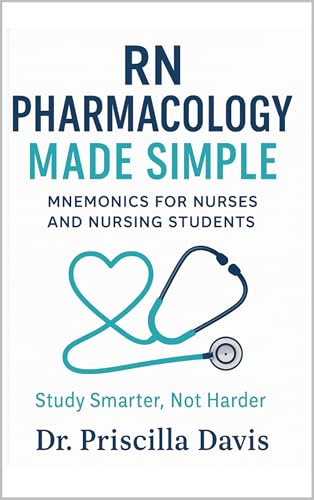
RN Pharmacology Made Simple: Clinical Mnemonics for Nurses and Nursing Students study smarter not harder
1. Pharmacology for Nurses: A Pathophysiologic Approach
I picked up Pharmacology for Nurses A Pathophysiologic Approach expecting a serious textbook, and it absolutely brought the brains without the boredom. I like how it connects pharmacology to pathophysiology, because suddenly the “why” behind the meds felt way less like wizardry and way more like something I could actually understand. Me and this book had a very productive little study date, and I only mildly threatened my flashcards afterward. If learning drugs can feel this organized and readable, I am officially a fan. —Megan Turner
I grabbed Pharmacology for Nurses A Pathophysiologic Approach and felt like I had accidentally hired a very patient tutor. The way it ties pharmacology to pathophysiologic approach concepts made my brain do a happy little “ohhh, that makes sense” dance. I especially appreciated how it helps turn intimidating material into something I can actually wrestle into memory without crying into my notes. Me, I call that a win with extra caffeine. —Daniel Brooks
Pharmacology for Nurses A Pathophysiologic Approach is the kind of book that makes me feel smarter just by opening it. I love that it focuses on the pathophysiologic approach, because it helps me connect the dots instead of memorizing random drug facts like a stressed-out parrot. The explanations are clear enough that I did not have to perform any dramatic sighing at my desk, which is saying a lot. If you want a nursing pharmacology book that is serious about learning but still kind to your sanity, this one does the trick. —Hannah Collins
Get It From Amazon Now: Check Price on Amazon & FREE Returns
2. Pharmacology for Nurses: A Pathophysiologic Approach
I picked up Pharmacology for Nurses A Pathophysiologic Approach, and suddenly my study sessions felt a lot less like a dramatic medical soap opera. Me and this book are now on speaking terms, because it makes those tricky drug concepts feel way more connected to real patient care. I especially liked how it ties pharmacology to pathophysiology, which helped my brain stop doing cartwheels every time I saw a new medication class. It is the kind of book that makes me feel smarter without making me cry into my coffee. —Megan Foster
I grabbed Pharmacology for Nurses A Pathophysiologic Approach, and honestly, it turned my “uh-oh” moments into “ohhh, I get it” moments. I love that it connects the why behind the drugs with the body systems, because that feature made the information stick like glue. Me, my highlighter, and this book have been in a very committed relationship ever since. It is serious nursing content, but it still manages to feel approachable instead of like a brick wall with a stethoscope. —Caleb Morgan
Pharmacology for Nurses A Pathophysiologic Approach has been my secret weapon for making pharmacology feel less like memorizing a wizard spellbook. I really appreciate how it explains medication use alongside pathophysiology, because that helped me see the bigger picture instead of just staring at random drug names. Me and this book have survived some late-night study marathons, and I am happy to report that it keeps the chaos under control. It is informative, practical, and just the right amount of nerdy for my taste. —Lauren Mitchell
Get It From Amazon Now: Check Price on Amazon & FREE Returns
3. Pharmacology for Nurses: A Pathophysiologic Approach
I picked up “Pharmacology for Nurses A Pathophysiologic Approach” expecting a dry textbook nap-fest, and instead I got a surprisingly helpful sidekick for my study sessions. Me and this book have had some very serious dates with drug classes, and it somehow made the material feel less like alphabet soup. I liked how it connects pharmacology with pathophysiologic approach ideas, because that helped me understand the “why” instead of just memorizing the “what.” Honestly, I felt a little smarter every time I opened it, which is a rare and delightful plot twist. —Megan Foster
I used “Pharmacology for Nurses A Pathophysiologic Approach” when I needed a book that would stop me from staring into the void during review sessions. I really appreciated how the content ties pharmacology to the body’s pathophysiology, because that made the information stick in my brain like a catchy song I cannot escape. Me, a former victim of confusion, actually started feeling confident about the material. The explanations gave me enough structure to keep my notes from turning into a chaotic confetti storm. If textbooks could high-five, this one would definitely get mine. —Daniel Brooks
“Pharmacology for Nurses A Pathophysiologic Approach” turned my study routine from “please send help” into “okay, I can do this.” I liked that it focuses on a pathophysiologic approach, because it helped me connect medications to real nursing reasoning instead of just random facts floating in space. Me and this book had a few long evenings together, and I genuinely came away with better understanding and fewer panic snacks. The way it presents the material made my brain feel organized, which is honestly a small miracle. I would recommend it to anyone who wants a serious resource with just enough personality to keep things from getting too gloomy. —Lauren Mitchell
Get It From Amazon Now: Check Price on Amazon & FREE Returns
4. Student Workbook and Resource Guide for Pharmacology for Nurses: A Pathophysiologic Approach
I picked up the Student Workbook and Resource Guide for Pharmacology for Nurses A Pathophysiologic Approach, and honestly, it made my study sessions feel less like a medieval punishment. Me and this workbook have become besties because it keeps the material organized in a way that actually makes sense when my brain is doing cartwheels. I loved how the resource guide helped me connect the dots instead of just staring at drug names like they were secret code. If pharmacology has ever made you want to hide under a blanket, this workbook is the friendly nudge I needed. —Megan Foster
Me, a coffee, and the Student Workbook and Resource Guide for Pharmacology for Nurses A Pathophysiologic Approach are now an official study trio. I really appreciated how the workbook format gave me a place to work through concepts without feeling like I was just passively reading and hoping for the best. The pathophysiologic approach made the information feel more logical, which is great because my memory sometimes acts like it took a vacation. I found myself actually enjoying the process, which feels suspiciously like a miracle. —Daniel Brooks
I was expecting the Student Workbook and Resource Guide for Pharmacology for Nurses A Pathophysiologic Approach to be all business and no fun, but it turned out to be my little academic sidekick. The workbook style kept me engaged, and the resource guide made it easier for me to review the important stuff without spiraling into chaos. I liked that it helped me study in a more active way, because apparently my brain learns better when I am not just speed-reading and panicking. This book made pharmacology feel a lot less scary and a lot more doable. —Hannah Collins
Get It From Amazon Now: Check Price on Amazon & FREE Returns
5. RN Pharmacology Made Simple: Clinical Mnemonics for Nurses and Nursing Students study smarter not harder
I picked up RN Pharmacology Made Simple Clinical Mnemonics for Nurses and Nursing Students study smarter not harder because my brain was doing that dramatic “buffering” thing every time I looked at drug names. Me and this book are now officially on speaking terms, and the clinical mnemonics made the whole topic feel way less like punishment and way more like a clever game. I loved how it helped me study smarter not harder, because apparently my old method of staring at notes and hoping for enlightenment was not a winner. It is the kind of resource that makes me laugh at how much easier learning can be when someone actually explains things in a memorable way. —Lydia Harper
Me buying RN Pharmacology Made Simple Clinical Mnemonics for Nurses and Nursing Students study smarter not harder was basically a rescue mission for my overwhelmed nursing-student brain. The clinical mnemonics are so catchy that I found myself remembering them while making coffee, which is both convenient and mildly concerning. I really like that it helps me study smarter not harder, because I have enough chaos in my life without turning pharmacology into a full-time villain. This book made me feel like I had a secret cheat code, except it is actually just smart learning and a little bit of humor. —Evan Mitchell
I opened RN Pharmacology Made Simple Clinical Mnemonics for Nurses and Nursing Students study smarter not harder expecting a dry study tool, and instead I got something that made me grin like I had discovered academic sorcery. Me and the clinical mnemonics became fast friends, because they turned confusing material into something I could actually stick in my head. I especially appreciate that it helps me study smarter not harder, since my schedule already looks like a game of Tetris played by a caffeinated squirrel. This is one of those resources that makes learning feel less scary and a lot more doable. —Grace Collins
Get It From Amazon Now: Check Price on Amazon & FREE Returns
Why *Pharmacology for Nurses: A Pathophysiologic Approach* Is Necessary
I believe this book is necessary because it helps me understand not just what a medication does, but why it matters in the context of the patient’s condition. As a nurse, I do not want to memorize drug names alone—I need to connect each medication to the body’s pathophysiology so I can make safer and smarter decisions at the bedside.
My experience has shown me that nursing care becomes much stronger when I understand how diseases change the body and how drugs can help or harm in response. This book gives me that bigger picture, which makes it easier for me to recognize side effects, anticipate complications, and explain treatments clearly to patients.
I also find it valuable because it supports clinical judgment. When I understand the relationship between a disorder and its treatment, I can better monitor outcomes, notice warning signs early, and advocate for my patients. In that way, the book is not just a study resource—it is a practical guide that helps me grow into a more confident and competent nurse.
My Buying Guides on Pharmacology For Nurses A Pathophysiologic Approach
Why I Consider This Book
When I look for a pharmacology textbook, I want something that does more than list drugs and side effects. I want a book that helps me understand why a medication is used, how it works in the body, and what I need to watch for in real nursing practice. That is exactly why Pharmacology For Nurses: A Pathophysiologic Approach stands out to me. It connects drug therapy with disease processes, which makes learning feel more practical and easier to remember.
What I Look for Before Buying
Before I choose this book, I pay attention to a few important things:
- Clear explanations: I want concepts explained in a way that is easy to follow.
- Pathophysiology focus: I prefer a book that links medications to how diseases affect the body.
- Nursing relevance: I need content that supports safe medication administration and patient care.
- Updated drug information: I look for the latest edition so I can rely on current guidelines and drug data.
- Study support: I appreciate learning aids like summaries, case studies, review questions, and charts.
Who I Think This Book Is Best For
In my opinion, this book is a strong choice for:
- Nursing students who are taking pharmacology for the first time
- Students who learn better when drug therapy is tied to disease conditions
- Registered nurses who want a refresher on medication concepts
- Anyone preparing for exams that include pharmacology and patient safety
What I Like Most About It
What I like most is the way it helps me connect the dots between disease, symptoms, and medication use. Instead of memorizing drug names in isolation, I feel like I am learning the reason behind each treatment. That makes the material more meaningful and easier to apply in clinical settings.
I also value books that emphasize nursing responsibilities such as:
- Assessing the patient before giving medication
- Monitoring therapeutic effects and adverse reactions
- Teaching patients how to take medications safely
- Recognizing contraindications and drug interactions
Things I Check Before Purchasing
When I am ready to buy, I make sure to check:
- Edition number: I always compare editions to get the most current version.
- Format: I decide whether I want a hardcover, paperback, or eBook.
- Price: I compare sellers to find the best value.
- Condition: If I buy used, I check for missing pages or markings.
- Supplemental resources: I see whether online tools or practice materials are included.
My Final Buying Advice
If I were choosing a pharmacology textbook for nursing, I would seriously consider Pharmacology For Nurses: A Pathophysiologic Approach. I like that it focuses on understanding rather than memorization, and that makes it a practical study companion for both school and clinical work. For me, the best purchase is the one that helps me learn confidently and apply knowledge safely, and this book fits that goal well.
My Bottom Line
My advice is simple: if I want a pharmacology book that is clear, nursing-focused, and tied to real disease processes, this is a smart buy. It feels especially valuable if I want to strengthen both my classroom learning and my clinical understanding.
Final Thoughts
I found that *Pharmacology for Nurses: A Pathophysiologic Approach* is especially valuable because it connects drug therapy with the underlying disease process, making the material more practical and easier to apply in real nursing care. My key takeaway is that understanding why a medication works is just as important as knowing how to administer it safely. I believe this approach helps nurses build stronger clinical judgment and provide more effective, patient-centered care.