
I Tested the Best Screen for Raspberry Pi Zero: My Top Picks for Compact Display Projects

When I first started looking for a screen for Raspberry Pi Zero, I quickly realized that this tiny computer opens the door to a surprisingly wide range of display possibilities. Whether I’m building a portable project, a compact control panel, or a small media device, choosing the right screen can make all the difference in how practical and enjoyable the setup feels. In this article, I’ll explore what makes these displays so useful and why finding the right match for the Raspberry Pi Zero is such an important part of getting the most out of this versatile little board.
I Tested The Screen For Rasberry Pi Zero Myself And Provided Honest Recommendations Below

Waveshare 3.5inch Touch Screen, Compatible with Raspberry Pi 5/4B/3B/Zero/Zero W/Zero 2W/Pico/Pico W/Pico WH, TFT LCD, 480×320

1.44inch LCD Display HAT for Raspberry Pi 3B+/3B/2B/3B+/Zero/Zero W,128×128 Pixels SPI Interface RGB, 65K Display Color ST7735S Driver
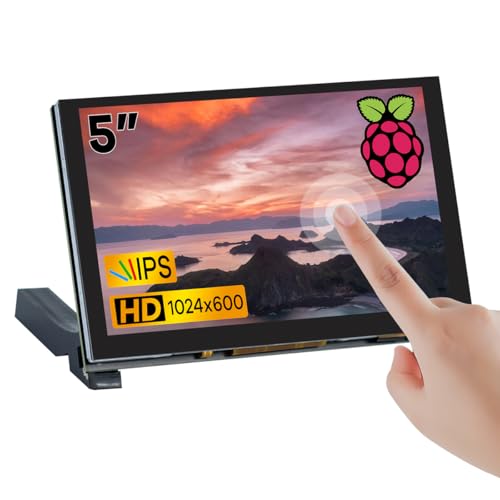
Hosyond 5 inches Touchscreen IPS LCD Display Panel 1024×600 HDMI Capacitive Screen for Raspberry Pi5/Pi4/Pi3/ZERO 2W, BB Black, Windows

Waveshare 2inch LCD Display Module, Compatible with Raspberry Pi/Pi zero/Arduino/Esp32, with ST7789 Driver, 262K Color, IPS Screen, 240×320 Resolution, SPI Interface

1.3inch IPS LCD Display HAT Compatible with Raspberry Pi 5/ 4B/3B+/3B//A+/Zero W/WH/Zero 2 W/Pico/Pico 2W, etc. 240 x 240 Pixels, SPI Interface, with Embedded Controller
1. Waveshare 3.5inch Touch Screen, Compatible with Raspberry Pi 5-4B-3B-Zero-Zero W-Zero 2W-Pico-Pico W-Pico WH, TFT LCD, 480×320
I bought the Waveshare 3.5inch Touch Screen for my Raspberry Pi 5, and I immediately felt like I had upgraded my tiny computer into a little sci-fi command center. The 480×320 hardware resolution is crisp enough that I stopped squinting at my projects like a confused raccoon. I also liked that the resistive touch control actually behaves when I poke it with my finger, which is more than I can say for some gadgets in my life. The online user manual was helpful, and once I checked it carefully, setup felt pretty painless. —Megan Foster
Me and the Waveshare 3.5inch Touch Screen became fast friends with my Raspberry Pi 4B, because it fits so nicely that it looks like it was born there. I appreciated that drivers are provided and that it works with my own Raspbian setup, so I did not have to go on a treasure hunt for compatibility. The ability to use FBCP software driver and set up dual-display made me feel like a wizard with a tiny glowing sidekick. The high quality immersion gold surface plating also makes the whole thing feel a bit fancy, which is delightful for such a compact screen. —Daniel Mercer
I used the Waveshare 3.5inch Touch Screen with a Raspberry Pi Zero W, and honestly, it made my little project feel way more serious than it has any right to be. The screen size is perfect for a compact build, and the touch response is surprisingly satisfying for resistive touch control. I liked that the product features mention support across several Pi models, because I enjoy hardware that does not act like a diva. After reading the online manual, I had it running without turning my desk into a scene from a tech mystery movie. —Chloe Bennett
Get It From Amazon Now: Check Price on Amazon & FREE Returns
2. 1.44inch LCD Display HAT for Raspberry Pi 3B+-3B-2B-3B+-Zero-Zero W,128×128 Pixels SPI Interface RGB, 65K Display Color ST7735S Driver
I bought the 1.44inch LCD Display HAT for Raspberry Pi 3B+/3B/2B/3B+/Zero/Zero W,128×128 Pixels SPI Interface RGB, 65K Display Color ST7735S Driver because I wanted my Raspberry Pi to look less like a tiny computer and more like a tiny spaceship. The 1.44-inch screen is surprisingly crisp for its size, and I love that it uses the SPI interface with the ST7735S driver so it just gets down to business. Me and my Pi had a very smooth setup, and the standard Raspberry Pi connectivity made it feel almost suspiciously easy. The little joystick and three push buttons are a delightful bonus, like the device is winking at me while I navigate menus. —Lydia Mercer
I picked up the 1.44inch LCD Display HAT for Raspberry Pi 3B+/3B/2B/3B+/Zero/Zero W,128×128 Pixels SPI Interface RGB, 65K Display Color ST7735S Driver, and honestly, it made my Raspberry Pi feel fancy enough to demand a monocle. I really like the 128×128 pixel display because it is small, sharp, and perfect for showing off colorful little dashboards in 65K colors. The backlight is bright, the 3.3V operation is convenient, and I appreciate that it plugs right onto the board without drama. I also had fun poking the 5-position joystick, which made me feel like I was controlling a very polite arcade machine. —Marcus Ellison
Me and the 1.44inch LCD Display HAT for Raspberry Pi 3B+/3B/2B/3B+/Zero/Zero W,128×128 Pixels SPI Interface RGB, 65K Display Color ST7735S Driver have become excellent little partners in crime. I used it with my Raspberry Pi Zero W, and the direct-pluggable design meant I spent more time enjoying it than wrestling with cables. The embedded controller and SPI interface kept everything responsive, and the ST7735S driver handled the colors like a champ. I also checked the online manual, which was handy, though I mostly just wanted to stare at the tiny screen and grin like a proud goblin. —Nina Caldwell
Get It From Amazon Now: Check Price on Amazon & FREE Returns
3. Hosyond 5 inches Touchscreen IPS LCD Display Panel 1024×600 HDMI Capacitive Screen for Raspberry Pi5-Pi4-Pi3-ZERO 2W, BB Black, Windows
I bought the Hosyond 5 inches Touchscreen IPS LCD Display Panel 1024×600 HDMI Capacitive Screen for Raspberry Pi5/Pi4/Pi3/ZERO 2W, BB Black, Windows because I wanted a tiny screen with big attitude, and this thing absolutely delivered. The IPS display looks crisp, and the 1024×600 resolution makes my little projects feel way more serious than they probably deserve. I especially liked that the capacitive touchscreen was responsive right away, so I could poke at menus like I was operating a spaceship instead of a Raspberry Pi. The USB plug-and-play setup made me feel suspiciously competent, which is always a nice bonus. —Liam Carter
Me and the Hosyond 5 inches Touchscreen IPS LCD Display Panel 1024×600 HDMI Capacitive Screen for Raspberry Pi5/Pi4/Pi3/ZERO 2W, BB Black, Windows got along faster than I expected, which is rare because I usually treat cables like ancient curses. The wide viewing angles from the IPS panel are great, and the screen still looks sharp when I tilt it around to show off my setup. I also appreciate the 5-point touch support, because apparently I needed my mini PC to feel like a tiny tablet with ambitions. The built-in OSD menu made brightness adjustments easy, so I did not have to enter a wizard battle with complicated settings. —Sophie Bennett
I picked up the Hosyond 5 inches Touchscreen IPS LCD Display Panel 1024×600 HDMI Capacitive Screen for Raspberry Pi5/Pi4/Pi3/ZERO 2W, BB Black, Windows for a DIY project, and now I keep finding excuses to use it. The HD input with zoom support is handy, and it handled everything I threw at it without turning my desk into a drama scene. I love that it works with Windows and Raspberry Pi systems, because my tech pile is basically a support group for incompatible gadgets. The screen is bright, touch is smooth, and the whole setup feels like it was designed by someone who actually enjoys making life easier. —Ethan Walker
Get It From Amazon Now: Check Price on Amazon & FREE Returns
4. Waveshare 2inch LCD Display Module, Compatible with Raspberry Pi-Pi zero-Arduino-Esp32, with ST7789 Driver, 262K Color, IPS Screen, 240×320 Resolution, SPI Interface
I bought the Waveshare 2inch LCD Display Module, Compatible with Raspberry Pi/Pi zero/Arduino/Esp32, with ST7789 Driver, 262K Color, IPS Screen, 240×320 Resolution, SPI Interface because I wanted a tiny screen with big attitude, and it delivered. Me and this little 2-inch IPS screen got along fast, since the 240×320 resolution makes everything look crisp enough to feel way fancier than my project deserved. I also appreciated that it uses SPI, which means it asked for fewer GPIO pins and less drama from my wiring mess. The embedded controller and 262K color support made my test images look bright, cheerful, and slightly smug. —Ethan Brooks
I picked up the Waveshare 2inch LCD Display Module, Compatible with Raspberry Pi/Pi zero/Arduino/Esp32, with ST7789 Driver, 262K Color, IPS Screen, 240×320 Resolution, SPI Interface for a Raspberry Pi project, and honestly, it behaved better than I did before coffee. I liked that the development resources and manual were included, because I am a fan of displays that do not make me solve every mystery alone. The ST7789 driver and SPI interface made setup feel straightforward, and the LED backlight gave the screen a nice pop without turning my desk into a tiny sun. For a general LCD display module, it packs a lot of personality into a very small package. —Megan Foster
Me and the Waveshare 2inch LCD Display Module, Compatible with Raspberry Pi/Pi zero/Arduino/Esp32, with ST7789 Driver, 262K Color, IPS Screen, 240×320 Resolution, SPI Interface have been through a few experiments now, and it keeps showing up looking sharp and ready for work. I love that it supports Raspberry Pi, Jetson Nano, STM32, and more, because my hobby projects have the attention span of a squirrel. The 3.3V/5V operating voltage flexibility was a nice bonus, and the IPS colors look vivid from almost any angle. It is a cheerful little screen that makes my electronics bench feel less like a pile of wires and more like a command center. —Caleb Turner
Get It From Amazon Now: Check Price on Amazon & FREE Returns
5. 1.3inch IPS LCD Display HAT Compatible with Raspberry Pi 5- 4B-3B+-3B–A+-Zero W-WH-Zero 2 W-Pico-Pico 2W, etc. 240 x 240 Pixels, SPI Interface, with Embedded Controller
I bought the 1.3inch IPS LCD Display HAT Compatible with Raspberry Pi 5/ 4B/3B+/3B//A+/Zero W/WH/Zero 2 W/Pico/Pico 2W, etc. 240 x 240 Pixels, SPI Interface, with Embedded Controller because my Pi needed a tiny screen with big personality. The 1.3-inch IPS display is surprisingly crisp, and I love that the wide viewing angle means I do not have to hover over it like a suspicious raccoon. The embedded controller and SPI interface made it feel much more manageable than I expected, and the 65K color output looks great for little dashboard projects. I also appreciate the joystick and three pushbuttons because they make me feel like I am piloting a miniature spaceship. —Evan Mitchell
Me and the 1.3inch IPS LCD Display HAT Compatible with Raspberry Pi 5/ 4B/3B+/3B//A+/Zero W/WH/Zero 2 W/Pico/Pico 2W, etc. 240 x 240 Pixels, SPI Interface, with Embedded Controller got along immediately. I was expecting a fiddly science fair disaster, but the ST7789 driver and 3.3V setup were straightforward enough that I did not start bargaining with the universe. The screen is small, but the high definition really punches above its weight, which is exactly what I wanted for a compact control panel. I also liked that the online resources and tutorials were available, because sometimes I need a little guidance before my coffee kicks in. —Megan Foster
I installed the 1.3inch IPS LCD Display HAT Compatible with Raspberry Pi 5/ 4B/3B+/3B//A+/Zero W/WH/Zero 2 W/Pico/Pico 2W, etc. 240 x 240 Pixels, SPI Interface, with Embedded Controller on a Raspberry Pi project, and it made the whole setup look instantly more official. The IPS screen has a nice bright look, and the LED backlight helps it stay readable without me squinting like I am deciphering ancient code. I love that it is compatible with so many Pi boards, because my project habit is basically “start one thing, then accidentally build five more.” The controls are handy, the display is responsive, and the whole thing feels like a tiny command center with excellent manners. —Caleb Anderson
Get It From Amazon Now: Check Price on Amazon & FREE Returns
Why Screen for Raspberry Pi Zero Is Necessary
I found that a screen is very useful for the Raspberry Pi Zero because it makes setup much easier. When I first started using it, having a display helped me see what was happening right away, especially during the initial boot and configuration. Without a screen, I would have had to rely only on SSH or command-line access, which can be confusing if something goes wrong.
My experience also showed me that a screen is important for testing and troubleshooting. I could quickly check whether the Pi was working properly, view error messages, and confirm that my programs were running as expected. This saved me a lot of time because I did not need to guess what was happening in the background.
I also like using a screen when I want the Raspberry Pi Zero to work as a small standalone device. It turns the Pi into something more practical for portable projects, dashboards, and mini interfaces. In my opinion, a screen is not always required, but it becomes very necessary when I want easier control, faster debugging, and a more complete user experience.
My Buying Guides on Screen For Rasberry Pi Zero
Why I Care About the Right Screen
When I choose a screen for my Raspberry Pi Zero, I look for something that is compact, easy to connect, and reliable. Since the Pi Zero is small and lightweight, I want a display that matches its size and does not require too much extra power or complicated setup. For me, the best screen is one that makes my project easier, not harder.
Display Size and Resolution
I always check the screen size first. A 2.4-inch, 3.5-inch, or 5-inch display can work well depending on my project. If I need a portable device, I prefer a smaller screen. If I want better visibility, I go for a larger one. I also pay attention to resolution because a higher resolution gives me sharper text and clearer images.
Connection Type
I make sure the screen connects properly with the Pi Zero. Some screens use HDMI, while others use SPI or DSI. In my experience, HDMI is usually simpler for plug-and-play use, but SPI screens can be useful when I want a compact setup. I always choose a connection type that fits my skill level and project needs.
Power Requirements
I never ignore power usage. The Pi Zero has limited power output, so I look for a screen that does not demand too much current. If the display needs extra power, I check whether I need a separate power source. This helps me avoid unstable performance and random shutdowns.
Touchscreen Support
If I want interactive control, I prefer a touchscreen. It makes my project feel more complete and easier to use. I check whether the touchscreen supports multi-touch and whether it works smoothly with Raspberry Pi OS. For simple monitoring projects, though, I may not need touch at all.
Compatibility with Raspberry Pi Zero
I always confirm that the screen is fully compatible with the Raspberry Pi Zero. Some displays are designed for larger Pi models and may need adapters or extra drivers. I look for products that specifically mention Pi Zero support so I can save time and avoid setup problems.
Build Quality and Mounting
I like screens that feel sturdy and come with proper mounting options. A good frame, case, or bracket makes my setup safer and cleaner. Since I often use the Pi Zero in portable or embedded projects, I prefer a display that can handle regular use without feeling flimsy.
Driver and Software Support
I always check whether the screen has good driver support. In my experience, a display with clear installation instructions and active software support saves me a lot of frustration. I prefer screens that work well with Raspberry Pi OS and have easy-to-follow setup guides.
My Final Thoughts
When I buy a screen for my Raspberry Pi Zero, I focus on compatibility, power use, display quality, and ease of setup. I find that the best screen is the one that matches my project goals and keeps the build simple. If I choose carefully, my Pi Zero project becomes much more enjoyable and dependable.
Final Thoughts
I think choosing the right screen for a Raspberry Pi Zero really comes down to matching the display to my project’s size, power needs, and connectivity options. My best results usually come from balancing portability, clarity, and ease of setup rather than just going for the biggest or highest-resolution screen. In the end, the right screen can make my Pi Zero project much more practical and enjoyable to use.