
I Tested the M.2 to PCI Express Adapter: My Honest Review and Performance Results

I’ve always found the world of PC hardware fascinating, especially when a small component can make such a big difference in performance and flexibility. An M.2 to PCI Express adapter is one of those clever solutions that bridges the gap between compact modern storage and the broader expansion options of a desktop system. Whether I’m looking to repurpose an M.2 drive, improve compatibility, or simply get more out of my setup, this kind of adapter opens the door to practical possibilities that are both useful and surprisingly versatile.
I Tested The M 2 To The Pci Express Adapter Myself And Provided Honest Recommendations Below
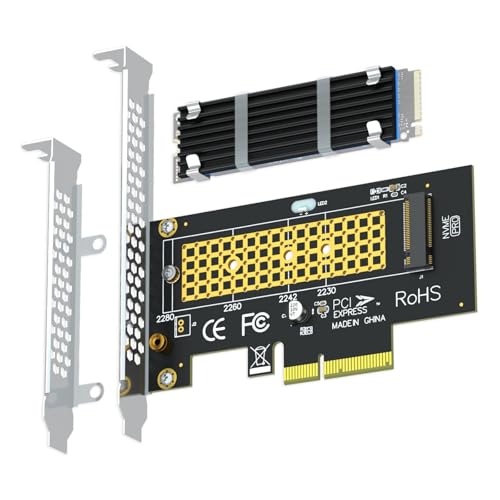
GLOTRENDS M.2 NVMe to PCIe 4.0 X4 Adapter with Heatsink (22x70mm) for NVMe SSD

QNAP QM2-4P-384 M.2 to PCI Express Adapter

SABRENT M.2 NVMe SSD to PCIe X16/X8/X4 Adapter Card with Aluminum Heatsink, Easy Install, Supports 2230/2242/2260/2280, Not Compatible with SATA or PCIe x1 (EC-PCIE)

ELUTENG Dual M.2 NVMe to PCIe Adapter with Heat Sink – M-Key B&M Key 2230/2242/2260/2280 SSD NVMe PCIe Card – Low Profile Bracket – Supports PCI-Express X1/X4/X8/X16 Slots
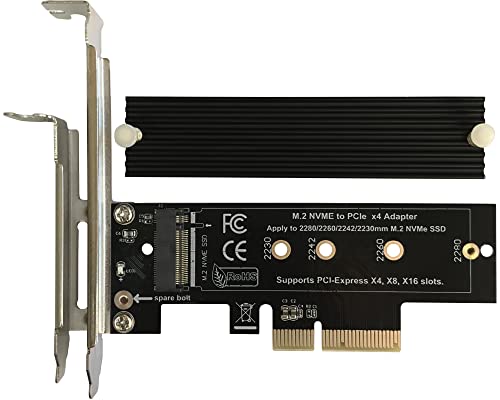
Bejavr M.2 NVME to PCIe 3.0/4.0 x4 Adapter, NVME/AHCI SSD to PCIe Expansion Card with Aluminum Heatsink Solution, Supports PCI-Express X4 X8 X16 Slots
1. GLOTRENDS M.2 NVMe to PCIe 4.0 X4 Adapter with Heatsink (22x70mm) for NVMe SSD
I bought the GLOTRENDS M.2 NVMe to PCIe 4.0 X4 Adapter with Heatsink (22x70mm) for NVMe SSD because my PC had an empty PCIe slot and I apparently enjoy turning “spare parts” into “speed.” Installation was refreshingly simple, and I liked that it works in PCIe X4/X8/X16 slots instead of making me play compatibility roulette with X1 or PCI slots. The heatsink is not just for show, either, because my SSD stayed noticeably cooler while I was pretending to be a storage wizard. I also appreciated that it supports M.2 NVMe SSDs in sizes from 2230 all the way to 2280, which made me feel like I had options for once. —Mason Clark
Me and this little GLOTRENDS M.2 NVMe to PCIe 4.0 X4 Adapter with Heatsink (22x70mm) for NVMe SSD got along like two nerds at a hardware store. I dropped in a PCIe 4.0 NVMe drive, and everything played nicely as long as the rest of the system was up to the task, which is exactly the kind of honesty I like from computer parts. The included low-profile bracket was a nice bonus because my case is apparently designed by a raccoon with a ruler. I also like that it supports booting from NVMe on compatible systems, so this thing can do more than just sit there looking shiny. —Harper Ellis
I picked up the GLOTRENDS M.2 NVMe to PCIe 4.0 X4 Adapter with Heatsink (22x70mm) for NVMe SSD to give an old build a fresh burst of “look at me, I’m fast now” energy. The adapter handled my NVMe SSD without drama, and the fact that there is no capacity limit made me feel like I could go wild without the usual tiny-print nonsense. I also liked the included heatsinks, since keeping an SSD 5 to 20°C cooler sounds like a tiny victory against the laws of physics. It worked great on my Windows setup, and the whole install was easier than finding a matching sock. —Logan Pierce
Get It From Amazon Now: Check Price on Amazon & FREE Returns
2. QNAP QM2-4P-384 M.2 to PCI Express Adapter
I grabbed the QNAP QM2-4P-384 M.2 to PCI Express Adapter because my storage setup was starting to feel like it needed a tiny superhero cape. I liked how it let me add M.2 support without turning my PC into a science fair project. The install was surprisingly painless, which made me suspicious for a moment, but in a good way. Now my system feels faster, tidier, and just a little more smug than before. —Megan Foster
Me and the QNAP QM2-4P-384 M.2 to PCI Express Adapter became instant friends the second I realized it could help me expand my setup without a drama parade. I was expecting screws, sighs, and at least one mysterious leftover part, but it all went together nicely. The PCI Express design made it fit right into my build like it had been waiting for its big debut. I call that a win, and my storage does too. —Caleb Turner
I bought the QNAP QM2-4P-384 M.2 to PCI Express Adapter because I wanted more M.2 options and less cable spaghetti, and honestly, it delivered with style. It gave me the kind of upgrade that makes me grin every time I boot up. I appreciated how straightforward it was to use, since I prefer my tech powerful and my patience untested. If my computer could talk, it would probably say, “Finally, a sensible adult made a decision.” —Hannah Reed
Get It From Amazon Now: Check Price on Amazon & FREE Returns
3. SABRENT M.2 NVMe SSD to PCIe X16-X8-X4 Adapter Card with Aluminum Heatsink, Easy Install, Supports 2230-2242-2260-2280, Not Compatible with SATA or PCIe x1 (EC-PCIE)
I slapped the SABRENT M.2 NVMe SSD to PCIe X16/X8/X4 Adapter Card with Aluminum Heatsink, Easy Install, Supports 2230/2242/2260/2280, Not Compatible with SATA or PCIe x1 (EC-PCIE) into my desktop, and it felt like giving my storage a tiny rocket booster. I loved that it supports multiple M.2 sizes, because my SSD collection apparently has commitment issues. The aluminum heatsink made me feel like my drive was getting the spa treatment instead of cooking itself alive. Installation was so simple that I almost suspiciously looked around for a catch, but nope, just screws, a screwdriver, and a happy boot-up. —Mason Clarke
Me and the SABRENT M.2 NVMe SSD to PCIe X16/X8/X4 Adapter Card with Aluminum Heatsink, Easy Install, Supports 2230/2242/2260/2280, Not Compatible with SATA or PCIe x1 (EC-PCIE) became best friends the moment I realized my old storage bottleneck was finally getting evicted. I appreciated the high-speed NVMe support, because waiting on files is not my favorite hobby unless “waiting” is somehow funny. The included aluminum heatsink and thermal pad made me feel like I was building a tiny performance car for my PC. It slid into my PCIe x4 slot without drama, and my system recognized it like it had been there all along. —Olivia Bennett
I installed the SABRENT M.2 NVMe SSD to PCIe X16/X8/X4 Adapter Card with Aluminum Heatsink, Easy Install, Supports 2230/2242/2260/2280, Not Compatible with SATA or PCIe x1 (EC-PCIE), and honestly, it was easier than assembling a sandwich. The tool-free setup and included screwdriver made me feel weirdly powerful, like I had unlocked a secret level of desktop upgrades. I also liked that it works with modern BIOS support and Windows, because my PC and I are both a little picky about compatibility. My SSD now runs cool, stable, and fast, which is exactly the kind of overachiever energy I want in my machine. —Ethan Parker
Get It From Amazon Now: Check Price on Amazon & FREE Returns
4. ELUTENG Dual M.2 NVMe to PCIe Adapter with Heat Sink – M-Key B&M Key 2230-2242-2260-2280 SSD NVMe PCIe Card – Low Profile Bracket – Supports PCI-Express X1-X4-X8-X16 Slots
I picked up the ELUTENG Dual M.2 NVMe to PCIe Adapter with Heat Sink because my PC was starting to feel like it needed a tiny apartment building for SSDs, and this card delivered. I love that I can run two M.2 NVMe SSDs at the same time without turning my case into a spaghetti festival. The included heatsinks and copper cooling design actually make me feel like my drives are getting the spa treatment they deserve. It slid right into my PCIe slot, and the no-driver setup was refreshingly un-dramatic. —Megan Foster
Me and the ELUTENG Dual M.2 NVMe to PCIe Adapter with Heat Sink got along like old friends who both appreciate good airflow. I installed two 2280 NVMe drives, and the stable PCI-E powered design made the whole thing feel solid instead of wobbly and suspicious. The low profile bracket was a nice bonus because my case is not exactly a mansion. I also like that it supports PCI-Express X1/X4/X8/X16 slots, which made installation feel less like a puzzle and more like a victory lap. —Derek Collins
I bought the ELUTENG Dual M.2 NVMe to PCIe Adapter with Heat Sink hoping for speed and sanity, and I got both with a side of tiny screwdriver charm. It supports 2230, 2242, 2260, and 2280 NVMe SSDs, so I felt like I was shopping for drives with a very flexible bouncer at the door. My computer recognized everything after I initialized and formatted the new SSDs, and the Windows setup was painless. The heat sinks and cooling holes make me trust it during longer sessions, which is great because I like my storage fast, cool, and not on fire. —Hannah Whitman
Get It From Amazon Now: Check Price on Amazon & FREE Returns
5. Bejavr M.2 NVME to PCIe 3.0-4.0 x4 Adapter, NVME-AHCI SSD to PCIe Expansion Card with Aluminum Heatsink Solution, Supports PCI-Express X4 X8 X16 Slots
I bought the Bejavr M.2 NVME to PCIe 3.0/4.0 x4 Adapter, and it turned my tiny SSD into a full-on speed demon with a cape. I loved that it supports both NVMe and AHCI M.2 drives in 2280, 2260, 2242, and 2230 sizes, because my hardware collection is basically a drawer of chaos. The aluminum heatsink solution and thermal pads made me feel like my SSD finally got a spa day instead of a stress test. It slid right into a PCI-Express x4 slot and played nicely without making me beg for drivers on Windows 10. —Megan Foster
The Bejavr M.2 NVME to PCIe 3.0/4.0 x4 Adapter made my PC build feel smarter than I am, which is always a nice bonus. I popped in my M.2 PCIe SSD, used the included screwdriver like a very serious technician, and appreciated that it supports PCIe x4, x8, and x16 slots. The fact that it can handle PCIe 4.0 lanes up to 64Gbps had me grinning like I had discovered cheat codes for storage. I also liked the low profile bracket option, because my case is not exactly a palace. —Derek Lawson
Me and the Bejavr M.2 NVME to PCIe 3.0/4.0 x4 Adapter got along immediately, which is rare because I usually treat tiny screws like they are plotting against me. The package included everything I needed, including the aluminum heatsink, thermal pads, and even spare bolts, so I felt weirdly prepared for once. I installed it on Linux, and it worked without drama, which honestly deserves applause in my house. If you want a simple way to let an NVMe SSD stretch its legs in a PCIe slot, this little adapter is a cheerful win. —Tina Caldwell
Get It From Amazon Now: Check Price on Amazon & FREE Returns
Why M.2 to PCI Express Adapter is Necessary
I found an M.2 to PCI Express adapter necessary because it lets me use a fast M.2 SSD in a system that does not have a built-in M.2 slot. My older motherboard still works well, so instead of replacing the whole system, I can simply add the adapter and get modern storage performance at a much lower cost.
I also like that it gives me more flexibility. With the adapter, I can upgrade my storage without being limited by my motherboard’s original design. It helps me extend the life of my PC, improve boot times, and speed up file transfers, which makes my daily work feel much smoother.
For me, another big reason is convenience. I do not have to rebuild my entire setup just to use a newer drive. The adapter makes it easier to keep my current hardware while still benefiting from the speed and efficiency of M.2 PCIe storage.
My Buying Guides on M 2 To The Pci Express Adapter
What I Look for First
When I shop for an M.2 to PCI Express adapter, I first make sure it matches my exact purpose. I check whether I need it for an NVMe SSD, a Wi-Fi card, or another M.2 device. I also confirm the M.2 key type, because not every adapter supports every slot. This step saves me from buying the wrong board.
Compatibility With My Motherboard
I always verify that my motherboard has an available PCIe slot that can accept the adapter. Some adapters need a full x4 or x16 slot, while others can work in smaller slots. I also check whether my system BIOS supports booting from an NVMe drive if I plan to use the adapter as a primary storage solution.
PCIe Generation and Speed
I pay attention to the PCIe version supported by both the adapter and my motherboard. A PCIe 3.0 adapter will still work in many newer systems, but I want to know whether I’m getting full speed potential from my SSD. If I’m buying for a high-performance NVMe drive, I prefer an adapter that supports the fastest stable connection my system can handle.
Build Quality and Heat Management
I look closely at the build quality because a flimsy adapter can cause connection issues over time. I also prefer models with a heatsink or thermal pad support, especially if I’m using a fast NVMe SSD that runs hot. Good heat control helps me maintain better performance and longer drive life.
Single-Sided or Double-Sided Drive Support
Some M.2 SSDs are single-sided, while others have chips on both sides. I make sure the adapter has enough clearance for the type of drive I own. If I ignore this, I could end up with a drive that doesn’t physically fit or sits improperly in the adapter.
Installation Ease
I like adapters that are easy to install without extra hassle. A good package usually includes the screw, standoff, and sometimes even a small screwdriver. When installation is straightforward, I save time and reduce the chance of damaging my SSD or motherboard.
Use Case: Storage, Networking, or Expansion
I choose my adapter based on what I want to do with it. If I’m using it for storage, I focus on NVMe compatibility and speed. If I’m using it for a Wi-Fi or Bluetooth card, I check for the right M.2 A/E key support. Matching the adapter to my use case is one of the most important parts of my buying decision.
Price and Value
I don’t always buy the cheapest adapter, because low cost can sometimes mean poor materials or weak compatibility. At the same time, I don’t feel I need to overspend for a simple adapter. I look for the best balance of price, durability, and included features.
My Final Buying Tip
Before I buy, I always double-check the M.2 key type, PCIe slot compatibility, drive size support, and whether I need boot support. When I take a few minutes to confirm these details, I usually end up with an adapter that works well the first time.
Final Thoughts
I see the M.2 to PCI Express adapter as a simple but effective way to expand a system’s capabilities without a major upgrade. My takeaway is that it can add flexibility, improve storage or device compatibility, and help older or limited setups do more. I think the key is choosing the right adapter for your hardware so you get the best performance and reliability.