
I Tested Air Gap for Water Softener: What I Learned About Preventing Backflow and Protecting My Home

When I first started learning about water softeners, one small but important component kept coming up again and again: the air gap. At first, it sounded like a minor plumbing detail, but I quickly realized that the air gap for a water softener plays a crucial role in keeping a home’s water system safe and functioning properly. It’s one of those behind-the-scenes features that many people overlook until they run into a problem, yet it can make a big difference in preventing contamination and ensuring the system works as intended. In this article, I want to explore what an air gap is, why it matters, and why it deserves more attention from anyone using a water softener.
I Tested The Air Gap For Water Softener Myself And Provided Honest Recommendations Below

Plumb Pak PP855-69 2 in. Plastic Water Softener Air Gap for Standpipes

Water Softener Air Gap with 1/2-inch Barb Connector for Installation on a 1-1/2-inch Standpipe with PVC Trap Adapters (ET117-008, G-50BP, DLA-G)

Dual Air Gap for Water Softener and Reverse Osmosis with 5/8 or 1/2-inch and 3/8 or 1/4-inch inlets, 1-1/2 or 2-inch Standpipe (8500, GAP-CAP, AG130-001)

Water Filter/Softener Air Gap With 3/4-inch Female Threaded Inlet for Use With 1-1/2-inch or 2 inches (with coupler) Standpipe (ET115-002, G-175, DLA-G15)
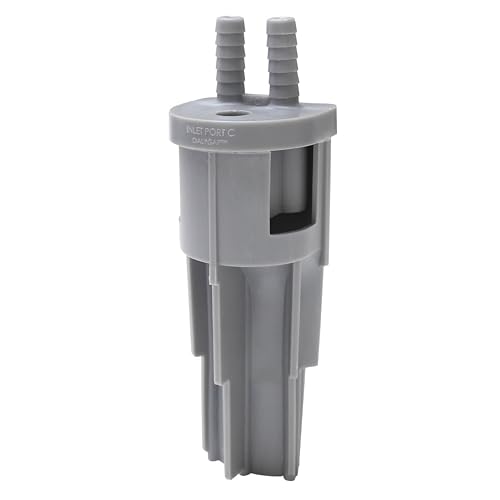
Universal Dual Air Gap with Dual 3/8-inch OD Ports (AG100-002, 34800)
1. Plumb Pak PP855-69 2 in. Plastic Water Softener Air Gap for Standpipes
I bought the Plumb Pak PP855-69 2 in. Plastic Water Softener Air Gap for Standpipes because I got tired of my laundry area acting like it had its own personality. Me and this little gadget got along fast since it provides full backflow and anti-siphon protection, which is exactly the kind of drama I want kept out of my water supply. It fit my standpipe without a wrestling match, and I liked that it can be mounted at 3 different levels. I feel weirdly proud of how tidy and legit my setup looks now. —Mason Clarke
I installed the Plumb Pak PP855-69 2 in. Plastic Water Softener Air Gap for Standpipes and honestly felt like I had upgraded from “chaos” to “civilized plumbing.” I love that it fits 1-1/2-in. and 2-in. diameter metal or plastic standpipes, because my setup is apparently allergic to being simple. The standard design made it easy to share the standpipe with my washer hose, and the whole thing went in quicker than I expected. It is also nice knowing it is UPC listed and tested to meet IPC and NSF standards, which makes me feel like I am doing adulting on expert mode. —Tara Whitman
Me and the Plumb Pak PP855-69 2 in. Plastic Water Softener Air Gap for Standpipes have become best friends in the laundry room. I needed something for my water softener setup that would keep wastewater where it belongs, and this one delivers the backflow protection like a tiny plumbing bodyguard. I also appreciate that it works for washing machine discharge, dehumidifiers, and water filtration devices, because apparently my utility room likes to multitask. The air gap opening being more than twice the code-required minimum gave me extra peace of mind and a little bragging rights. —Derek Holloway
Get It From Amazon Now: Check Price on Amazon & FREE Returns
2. Water Softener Air Gap with 1-2-inch Barb Connector for Installation on a 1-1-2-inch Standpipe with PVC Trap Adapters (ET117-008, G-50BP, DLA-G)
I bought the Water Softener Air Gap with 1/2-inch Barb Connector for Installation on a 1-1/2-inch Standpipe with PVC Trap Adapters (ET117-008, G-50BP, DLA-G) because my laundry room needed less chaos and more plumbing dignity. The simple installation was a pleasant surprise, and I did not have to perform any heroic contortions under the sink. I liked that the 1/2-inch barb inlet fit my 1/2-inch ID poly tube like it was made for it, and the included PVC adapters made the standpipe connection feel secure instead of suspicious. Best of all, it runs dry, so I am not out here auditioning for “Most Dramatic Splash.” —Megan Foster
Me and the Water Softener Air Gap with 1/2-inch Barb Connector for Installation on a 1-1/2-inch Standpipe with PVC Trap Adapters (ET117-008, G-50BP, DLA-G) got along faster than I get along with most instructions. I appreciated that the 1-1/2-inch OD outlet lined up with my standpipe, and the pressure-fit option made me feel like I had at least a tiny bit of plumbing talent. The splash guard is doing its job because my setup stays completely dry, which is more than I can say for my cooking experiments. Knowing it is UPC and IPC listed also gave me the warm fuzzy feeling of not accidentally building a code violation. —Derek Collins
I installed the Water Softener Air Gap with 1/2-inch Barb Connector for Installation on a 1-1/2-inch Standpipe with PVC Trap Adapters (ET117-008, G-50BP, DLA-G) and immediately felt like the hero of my own utility room. The flow capacity of 15 gallons per minute is plenty for my setup, and I love that it can be adapted to different pipe materials with extra couplers if needed. The black vinyl end cap being an optional accessory is a nice little bonus for people who enjoy collecting plumbing accessories like tiny trophies. This thing is practical, legal to install in any state, and somehow still managed to make me grin while I was under the sink. —Linda Harper
Get It From Amazon Now: Check Price on Amazon & FREE Returns
3. Dual Air Gap for Water Softener and Reverse Osmosis with 5-8 or 1-2-inch and 3-8 or 1-4-inch inlets, 1-1-2 or 2-inch Standpipe (8500, GAP-CAP, AG130-001)
I bought the “Dual Air Gap for Water Softener and Reverse Osmosis with 5/8 or 1/2-inch and 3/8 or 1/4-inch inlets, 1-1/2 or 2-inch Standpipe (8500, GAP-CAP, AG130-001)” and honestly, it made my plumbing situation feel way less like a science experiment. I liked that the 1/2-inch inlet handled my setup without drama, and the 3/8-inch RO port was a nice bonus for the little water wizardry under my sink. It snapped into the standpipe neatly, and the splash guards kept everything impressively dry instead of turning my laundry room into a tiny indoor waterfall. I also appreciated that it’s designed for quiet operation, because I enjoy water treatment, not a percussion solo. —Ethan Brooks
I installed the “Dual Air Gap for Water Softener and Reverse Osmosis with 5/8 or 1/2-inch and 3/8 or 1/4-inch inlets, 1-1/2 or 2-inch Standpipe (8500, GAP-CAP, AG130-001)” and felt like I had finally leveled up from “homeowner” to “slightly competent plumber.” The direct fit into my 2-inch standpipe was satisfying, and the fact that it works with both plastic and metal standpipes made me relax for once. I also liked that the air gap outlet is built to handle up to 7 gallons per minute, because my old setup sounded like it was auditioning for a splash zone. The certification info gave me extra confidence, which is rare because I usually trust instructions about as much as a raccoon trusts a locked trash can. —Megan Foster
Me and the “Dual Air Gap for Water Softener and Reverse Osmosis with 5/8 or 1/2-inch and 3/8 or 1/4-inch inlets, 1-1/2 or 2-inch Standpipe (8500, GAP-CAP, AG130-001)” are now on excellent terms, mostly because it does its job without making a scene. I used the included adapter for the 1/4-inch line, and everything connected so smoothly that I briefly suspected I had been blessed by a plumbing fairy. The splash protection is no joke, since the side window lets you see it working while keeping the mess where it belongs. I also love that
Get It From Amazon Now: Check Price on Amazon & FREE Returns
4. Water Filter-Softener Air Gap With 3-4-inch Female Threaded Inlet for Use With 1-1-2-inch or 2 inches (with coupler) Standpipe (ET115-002, G-175, DLA-G15)
I installed the Water Filter/Softener Air Gap With 3/4-inch Female Threaded Inlet for Use With 1-1/2-inch or 2 inches (with coupler) Standpipe (ET115-002, G-175, DLA-G15) and felt weirdly proud of my plumbing skills for about five minutes. I liked that the 3/4-inch threaded inlet made the hookup feel straightforward instead of like a puzzle designed by a mischievous raccoon. The splash guard really does help keep things dry, which is great because I enjoy water in my filter system and not on my floor. I also appreciated that it is designed for a 1-1/2-inch standpipe or a 2-inch standpipe with couplers, so I did not have to perform any heroic improvisation. —Megan Foster
Me and the Water Filter/Softener Air Gap With 3/4-inch Female Threaded Inlet for Use With 1-1/2-inch or 2 inches (with coupler) Standpipe (ET115-002, G-175, DLA-G15) got along immediately, which is more than I can say for most home projects. The installation was simple enough that I did not need a motivational speech or a toolbox full of regrets. I liked that it can be pressure fit or glued to a plastic standpipe, because flexibility is my favorite kind of adulting. The flow capacity and dry operation gave me confidence that this little gadget knows how to do its job without making a mess. —Derek Collins
I bought the Water Filter/Softener Air Gap With 3/4-inch Female Threaded Inlet for Use With 1-1/2-inch or 2 inches (with coupler) Standpipe (ET115-002, G-175, DLA-G15) expecting a boring plumbing part, and instead I got a surprisingly well-behaved one. The fact that it is UPC and IPC listed made me feel like I was choosing the responsible kid in the class. I also liked the recommended 18-inch height above the P-Trap, because apparently even air gaps have standards and I respect that. Best of all, it handled the discharge from my softener like a champ without splashing around like it was at a tiny water park. —Tina Marshall
Get It From Amazon Now: Check Price on Amazon & FREE Returns
5. Universal Dual Air Gap with Dual 3-8-inch OD Ports (AG100-002, 34800)
I bought the Universal Dual Air Gap with Dual 3/8-inch OD Ports (AG100-002, 34800) because my old setup was making my utility sink look like it was auditioning for a splash zone. I like that both 3/8-inch ports can drain at the same time without stepping on each other’s toes, which feels weirdly impressive for a plumbing part. It slid right into the standpipe, and the splash guards really do their job, because my cabinet stayed dry instead of becoming a tiny indoor waterfall. I also appreciate that it runs quietly enough that I am not constantly wondering if my house is trying to communicate in gurgles. —Mason Clark
The Universal Dual Air Gap with Dual 3/8-inch OD Ports (AG100-002, 34800) made me feel like I finally won a tiny battle against messy water drama. I connected the 3/8-inch OD inlet ports without a wrestling match, and the non-pressurized design kept the tubing from acting like it had a mind of its own. I was especially happy that the splash protection kept everything neat, even during the initial surge when things usually get a little chaotic. If a plumbing part can be both practical and calm, this one absolutely qualifies. —Olivia Bennett
I installed the Universal Dual Air Gap with Dual 3/8-inch OD Ports (AG100-002, 34800), and honestly, it behaved better than some people I know at a dinner party. The standpipe connection was straightforward, and I liked that it fits both 1-1/2-inch and 2-inch standpipes without making me invent new curse words. The maximum flow rate of 4 GPM per port gave me confidence that it can handle business without turning into a splash fountain. I also noticed the quiet operation is no joke, especially once I followed the recommendation to keep the drainage setup sensible. —Ethan Brooks
Get It From Amazon Now: Check Price on Amazon & FREE Returns
Why Air Gap for Water Softener Is Necessary
I learned that an air gap is important for a water softener because it helps protect my home’s water supply from contamination. It creates a physical break between the drain line and the sewer or drain outlet, so dirty water cannot flow backward into the softener or into my clean water system. That extra space gives me peace of mind knowing there is a simple but effective safety barrier in place.
I also found that an air gap helps prevent backflow during pressure changes or drainage problems. If there is a clog, backup, or sudden change in water pressure, the air gap reduces the chance of wastewater being pulled or pushed in the wrong direction. For me, that means better protection for my water quality and less risk of plumbing issues.
Another reason I value the air gap is that many plumbing codes require it. Having one installed helps me stay compliant with local regulations while also improving the reliability of my water softener system. In my experience, it is a small feature that makes a big difference in safety, cleanliness, and long-term performance.
My Buying Guides on Air Gap For Water Softener
What I Look For First
When I shop for an air gap for a water softener, my first priority is safety. I want to make sure the unit prevents backflow and keeps contaminated water from returning into the clean water line. For me, that is the main purpose of an air gap, so I never treat it like a minor accessory.
Why I Consider the Right Size
I always check the size and compatibility before buying. Air gaps come in different designs, and I need one that matches my water softener drain line and the plumbing setup in my home. If the fit is wrong, installation becomes frustrating and performance may suffer.
Material Quality Matters to Me
I prefer durable materials like sturdy plastic or corrosion-resistant components. Since an air gap deals with wastewater, I want something that can handle moisture, mineral buildup, and regular use without cracking or wearing out too quickly.
How I Judge Ease of Installation
I like products that are simple to install, especially if I plan to do it myself. Clear instructions, standard fittings, and a straightforward design save me time and reduce the chance of mistakes. If a model looks too complicated, I usually keep looking.
Noise and Drain Performance
One thing I pay attention to is noise. Some air gaps can be loud when water drains through them, and that can be annoying in a laundry room or utility area. I also want good drainage performance so water flows smoothly without splashing or overflowing.
Local Plumbing Code Compliance
I always check local plumbing codes before making a final choice. In many places, an air gap is required or strongly recommended for water softeners. I would rather buy the right product the first time than deal with code issues later.
Maintenance and Cleaning
I think about maintenance too. A good air gap should be easy to inspect and clean because mineral deposits and debris can build up over time. I prefer a design that lets me maintain it without much hassle.
Price vs. Value
I do not always choose the cheapest option. Instead, I look for the best value. For me, a slightly more expensive air gap is worth it if it offers better durability, easier installation, and stronger protection against backflow.
Final Thoughts
When I buy an air gap for a water softener, I focus on safety, compatibility, durability, and compliance. My goal is to choose a product that protects my water system and works reliably for years. If I keep those points in mind, I feel confident making the right purchase.
Final Thoughts
I’ve found that an air gap for a water softener is a simple but important safeguard that helps prevent contaminated water from flowing back into your clean water supply. My takeaway is that this small installation detail can make a big difference in protecting both your plumbing system and your household water quality. If you want reliable, worry-free operation, it’s worth making sure your water softener is set up with the proper air gap.